

Welcome to bestantivirusformac. Modern businesses today depend heavily on digital systems, cloud platforms, and connected networks to operate efficiently. In this environment, even a small technical issue can lead to downtime, data loss, or reduced productivity. This is why many organizations are now adopting managed IT support to ensure their IT infrastructure stays stable, secure, and continuously monitored. Instead of reacting to problems after they occur, companies benefit from a proactive approach that keeps systems running smoothly and reduces operational risks.
With managed IT support, businesses gain access to expert IT teams who handle everything from system maintenance to cybersecurity and cloud management. These services typically include IT infrastructure management, 24/7 monitoring, remote IT support, and cybersecurity services, all designed to improve performance and protect sensitive data. As technology continues to evolve, this model allows companies to stay competitive while focusing on growth rather than technical challenges.
What is Managed IT Support?
In today’s digital-driven business environment, companies rely heavily on stable IT systems to manage operations, communication, and data security. Any disruption in these systems can directly impact productivity and revenue. This is why managed IT support has become a widely adopted solution, offering businesses a structured way to outsource their entire IT operations to expert providers. It ensures continuous system monitoring, proactive maintenance, and fast issue resolution, allowing organizations to run smoothly without worrying about technical challenges or infrastructure failures.
Definition and Core Concept
Managed IT support is a professional IT service model where a third-party provider takes full responsibility for managing, maintaining, and optimizing a company’s IT infrastructure. Instead of relying on an internal IT team, businesses outsource these responsibilities to specialized experts who ensure that all systems, networks, and software function efficiently and securely. The core concept is to deliver proactive IT management rather than reactive troubleshooting, reducing downtime and improving overall system performance.
This model integrates multiple IT functions into a single service framework, including IT infrastructure management, cloud support services, and cybersecurity services. By combining these services, businesses gain a centralized IT solution that improves reliability, enhances productivity, and ensures long-term technological stability.
How Managed IT Support Works
Managed IT support operates through continuous monitoring, maintenance, and optimization of IT systems using advanced tools and expert technicians. Service providers install monitoring software that tracks servers, networks, devices, and applications in real time. This allows them to identify potential issues early and resolve them before they disrupt business operations. The system is designed to be proactive, ensuring smooth performance and minimal downtime.
When technical problems arise, they are quickly addressed through remote IT support or structured helpdesk support systems. Many issues are resolved instantly without physical intervention, while more complex problems may require on-site assistance. Additionally, providers perform regular updates, security patching, and performance tuning to ensure that IT environments remain secure, updated, and highly efficient.
Difference Between Traditional IT and Managed IT
Traditional IT support works on a reactive basis, meaning problems are fixed only after they occur. Businesses typically depend on internal IT teams who respond to issues as they arise, which often leads to unexpected downtime and higher operational costs. This approach can be inefficient, especially for organizations that require constant system availability and quick issue resolution.
In contrast, managed IT support follows a proactive model where systems are continuously monitored to prevent issues before they happen. Instead of paying for individual repairs, businesses usually pay a fixed monthly fee that includes a wide range of services such as:
- cloud support services — managing data storage, accessibility, and system performance in cloud environments
- network management — ensuring stable, secure, and efficient communication across business systems
- data security solutions — protecting sensitive information from cyber threats and unauthorized access
This proactive approach improves reliability, enhances cybersecurity, and provides predictable IT costs, making it a more efficient and scalable solution for modern businesses.
Why Businesses Need Managed IT Support
Modern organizations rely heavily on technology for daily operations, communication, data storage, and customer management. As digital systems become more complex, the risk of downtime, cyber threats, and performance issues also increases. This is where managed IT support becomes essential, as it provides businesses with continuous monitoring, proactive maintenance, and expert technical assistance. Instead of struggling with unexpected IT failures, companies gain a structured system that keeps their operations stable, secure, and efficient while reducing internal workload and operational stress.
Growing IT Complexity in Modern Businesses
Today’s business environments are no longer limited to basic computer systems. Companies now use cloud platforms, remote collaboration tools, SaaS applications, and interconnected networks that require constant attention. Managing all these systems internally can become overwhelming, especially for small and medium-sized businesses that lack dedicated IT teams. Managed IT support helps simplify this complexity by providing centralized control and expert management of all IT operations.
With increasing reliance on digital tools, businesses must also ensure compatibility, performance optimization, and system integration. IT infrastructure management plays a key role here, as it ensures that all components work together smoothly. Additionally, remote IT support allows technicians to resolve issues quickly without physical presence, making operations more efficient and less time-consuming.
Cost Efficiency and Resource Optimization
Maintaining an in-house IT department can be expensive due to salaries, training, infrastructure, and software costs. Many businesses also face unpredictable expenses when emergency IT issues arise. Managed IT support solves this problem by offering a fixed and predictable pricing model that includes a wide range of services under one package.
Instead of hiring multiple specialists, businesses gain access to a full team of experts at a fraction of the cost. This allows companies to allocate resources more effectively and invest in growth-oriented activities rather than technical maintenance. It also reduces downtime-related losses, ensuring better financial stability and operational efficiency.
Improved Security and Risk Management
Cybersecurity threats are becoming more advanced, targeting businesses of all sizes with malware, phishing attacks, and data breaches. Without proper protection, companies risk losing sensitive information and customer trust. Managed IT support strengthens security by implementing advanced protection systems and continuous monitoring.
Key security measures include:
- Cybersecurity services — protecting systems from external threats through firewalls, encryption, and threat detection
- Data backup solutions — ensuring important business data is safely stored and recoverable in case of failure
- 24/7 IT monitoring — continuously tracking systems to detect and respond to suspicious activity in real time
These measures significantly reduce risk and help businesses maintain compliance, stability, and long-term digital security.
Read Also: tiktok png
Key Services Included in Managed IT Support
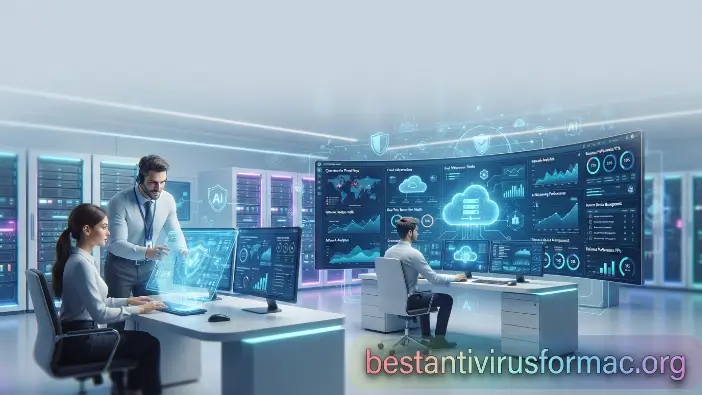
Modern businesses depend on technology for almost every operation, from communication and data storage to customer management and online services. Managing these systems requires continuous monitoring, technical expertise, and strong security measures. Managed IT support provides a complete set of professional services that ensure IT infrastructure remains stable, secure, and efficient. These services are designed to reduce downtime, improve productivity, and protect business data while allowing organizations to focus on their core goals instead of dealing with technical challenges.
24/7 IT Monitoring and Helpdesk
Managed IT support includes continuous 24/7 monitoring of all IT systems to ensure that servers, networks, and applications are always functioning properly. This proactive approach helps identify potential issues early, allowing IT teams to fix problems before they impact business operations or cause downtime. Constant monitoring ensures system performance remains stable and reliable at all times.
Alongside monitoring, helpdesk support provides direct assistance to employees who face technical issues in their daily work. Whether it is software errors, login problems, or connectivity issues, users can quickly contact IT experts for immediate solutions. This combination of real-time monitoring and responsive support ensures smooth business operations and minimizes disruptions.
Network and Infrastructure Management
Network and infrastructure management focuses on maintaining and optimizing the core IT systems that support business operations. This includes servers, routers, switches, and internal communication systems that ensure smooth data flow across the organization. Managed IT support ensures these systems are properly configured, updated, and maintained for maximum efficiency and reliability.
Regular maintenance and performance tuning are carried out to prevent system failures and improve speed. IT infrastructure management also ensures secure communication between devices and departments, reducing the risk of downtime or connectivity issues. This helps businesses maintain a stable and efficient digital environment.
Cloud Management Services
Cloud management services are an essential part of modern IT operations as more businesses move toward digital and remote work environments. Managed IT support ensures that cloud platforms are properly managed, optimized, and secured for smooth performance and accessibility.
These services include monitoring storage usage, managing cloud applications, and ensuring secure access to data from anywhere. Businesses benefit from improved scalability and flexibility, while cloud support services help maintain performance efficiency and reduce operational risks associated with cloud environments.
Cybersecurity and Threat Protection
Cybersecurity is one of the most critical aspects of IT management, as businesses face increasing threats from hackers, malware, and data breaches. Managed IT support provides strong security frameworks designed to protect sensitive business information and prevent unauthorized access.
Key protections include:
- Cybersecurity services — These involve firewalls, antivirus systems, and intrusion detection tools that protect networks from external attacks while continuously monitoring suspicious activity.
- Threat detection systems — Advanced tools that identify unusual behavior in real time and alert IT teams to potential risks before they escalate into serious problems.
- Security updates and patches — Regular updates that fix vulnerabilities in systems and software, ensuring long-term protection against emerging threats.
These measures work together to create a strong security layer that safeguards business operations and data integrity.
Data Backup and Disaster Recovery
Data is one of the most valuable assets for any business, and losing it can result in serious operational and financial damage. Managed IT support ensures that critical data is regularly backed up and securely stored to prevent permanent loss in case of system failure or cyber incidents.
Backup systems automatically save important files and databases at scheduled intervals, ensuring data is always recoverable. In addition, data backup solutions and disaster recovery planning allow businesses to restore operations quickly after unexpected events, minimizing downtime and ensuring business continuity even in critical situations.
Benefits of Managed IT Support for Businesses
In today’s fast-paced digital world, businesses depend heavily on technology to maintain smooth operations, communication, and data management. Even small IT disruptions can lead to productivity loss, customer dissatisfaction, and financial setbacks. Managed IT support provides a structured and proactive approach to IT management that ensures systems remain stable, secure, and efficient at all times. It helps organizations reduce operational risks, improve performance, and focus on core business activities while IT experts handle technical complexities in the background.
Reduced Downtime
One of the most valuable advantages of managed IT support is its ability to significantly reduce system downtime. Instead of reacting to issues after they occur, service providers continuously monitor IT systems to identify potential problems early. This proactive approach ensures that small issues are resolved before they escalate into major disruptions that can affect business operations.
With the help of 24/7 IT monitoring and remote IT support, businesses receive immediate assistance whenever technical issues arise. Servers, networks, and applications are constantly tracked to ensure smooth performance. This results in faster issue resolution, fewer interruptions, and improved productivity across the entire organization.
Predictable IT Costs
Managing IT internally often leads to unpredictable expenses such as emergency repairs, system upgrades, and hardware failures. Managed IT support eliminates this uncertainty by offering a fixed monthly pricing model that covers a wide range of IT services. This allows businesses to plan their budgets more effectively without worrying about sudden financial burdens.
Instead of paying separately for each technical issue, companies receive bundled services under one agreement. These services often include IT infrastructure management, maintenance, system updates, and technical support. This predictable cost structure helps organizations maintain financial stability while ensuring high-quality IT performance.
Access to Expert IT Professionals
Building an in-house IT team with specialized skills in networking, security, and cloud systems can be expensive and time-consuming. Managed IT support gives businesses direct access to a team of highly skilled IT professionals with diverse expertise. This ensures that every technical issue is handled by specialists rather than general support staff.
These experts bring industry-level knowledge and experience that help solve complex IT challenges efficiently. From troubleshooting advanced system issues to implementing security solutions, businesses benefit from faster resolutions and improved system reliability. This access to expert talent enhances overall IT performance without increasing internal hiring costs.
Scalability and Flexibility
As businesses grow, their IT requirements evolve, requiring more resources, advanced systems, and additional support. Managed IT support offers scalable solutions that can easily adapt to these changing needs without requiring major infrastructure investments.
Through cloud support services and flexible service models, businesses can quickly scale their IT resources up or down based on demand. Whether expanding operations or optimizing costs during slower periods, this flexibility ensures that IT systems always align with business goals while maintaining efficiency, security, and performance.
Managed IT Support vs In-House IT Team
Choosing between internal IT staff and outsourcing through managed IT support is a critical decision for modern businesses. Both models aim to maintain and support IT systems, but they differ significantly in cost structure, efficiency, expertise, and long-term scalability. While an in-house IT team offers direct control, managed IT support provides a more structured, proactive, and cost-efficient approach that is designed for evolving digital environments. Understanding these differences helps businesses select the right model based on their operational needs and growth goals.
Cost Comparison
In-house IT teams require continuous investment in salaries, training, software tools, and infrastructure. Businesses must also account for additional expenses such as hiring specialists, purchasing hardware, and managing employee benefits. Over time, these costs can become unpredictable and significantly impact the overall IT budget, especially when emergency repairs or system upgrades are needed.
In contrast, managed IT support follows a fixed monthly pricing model that bundles multiple services into one predictable cost. This typically includes IT infrastructure management, maintenance, monitoring, and technical support. By eliminating the need for separate hires and reducing emergency expenses, businesses gain better financial control and long-term cost efficiency.
Efficiency and Expertise
An in-house IT team is often limited by its size and skill set, which can restrict its ability to handle complex or diverse technical challenges. Employees may need additional training to keep up with evolving technologies, which can slow down response times and reduce overall efficiency during critical situations.
On the other hand, managed IT support provides access to a full team of specialists with expertise in different areas such as networking, cybersecurity, and cloud systems. These professionals bring industry-level knowledge and experience, enabling faster problem resolution and more efficient system management. With remote IT support and proactive monitoring, businesses benefit from continuous performance optimization and reduced downtime.
Scalability Differences
Scaling an in-house IT team requires hiring new employees, purchasing additional equipment, and investing in training programs. This process can be time-consuming and costly, making it difficult for businesses to quickly adapt to changing demands or rapid growth.
In comparison, managed IT support offers highly flexible and scalable solutions that can easily adjust to business needs. Whether a company is expanding its operations or reducing costs during slower periods, services can be scaled up or down instantly. With cloud support services and adaptable IT frameworks, businesses maintain operational efficiency without major infrastructure changes or delays.
How to Choose the Right Managed IT Support Provider
Selecting the right managed IT support provider is a crucial decision that directly impacts a business’s operational efficiency, security, and long-term growth. The right partner ensures stable IT performance, strong cybersecurity, and scalable solutions, while the wrong choice can lead to downtime, security risks, and wasted resources. Therefore, businesses must carefully evaluate providers based on their experience, security practices, service commitments, and responsiveness before making a decision.
Evaluate Experience and Expertise
When choosing a managed IT support provider, experience plays a key role in determining service quality. In this blog, you’ll learn why providers with a strong track record are more likely to understand complex IT environments and deliver reliable solutions. It is important to check whether the company has worked with businesses in similar industries, as industry-specific knowledge improves problem-solving efficiency.
Additionally, experienced providers typically have a team of specialists covering different areas such as IT infrastructure management, cloud systems, and network administration. This diverse expertise ensures that businesses receive well-rounded support for all their technical needs. Reviewing case studies, client portfolios, and certifications can help verify their technical capability before selecting the right managed IT support provider.
Check Security Standards
Security is one of the most critical factors when selecting a managed IT support provider because businesses rely on them to protect sensitive data and systems. A reliable provider should follow strict cybersecurity protocols and implement advanced protection measures to prevent data breaches and cyberattacks.
Key security aspects to evaluate include:
- Cybersecurity services — Use of firewalls, encryption, and threat detection systems to protect networks from external attacks
- Compliance standards — Adherence to industry regulations such as data protection laws and security frameworks
- Data protection policies — Secure handling, storage, and backup of sensitive business information
These measures ensure that business data remains safe and that systems are protected against evolving cyber threats.
Service Level Agreements (SLA)
A Service Level Agreement (SLA) defines the terms of service between a business and its managed IT support provider. It clearly outlines expectations such as response times, resolution times, service availability, and responsibilities of both parties. A strong SLA ensures transparency and accountability in service delivery.
Businesses should carefully review SLA terms to understand what level of support they will receive. Important factors include uptime guarantees, penalties for service delays, and scope of services covered under the agreement. A well-defined SLA ensures that the provider remains committed to maintaining consistent performance and reliable IT support.
Support Availability and Response Time
Fast response time is essential in IT support because technical issues can disrupt business operations instantly. A reliable managed IT support provider should offer 24/7 availability to ensure that problems are addressed at any time, regardless of business hours or time zones.
In addition to availability, response speed plays a major role in minimizing downtime. Providers offering remote IT support and dedicated helpdesk systems can resolve issues quickly and efficiently. Businesses should evaluate average response times and ensure that critical issues are prioritized to maintain smooth and uninterrupted operations.
Common Challenges and Solutions in Managed IT Support
While managed IT support offers many advantages such as improved efficiency, reduced downtime, and stronger security, businesses may still face certain challenges during implementation and ongoing operations. These challenges usually arise due to system compatibility, reliance on third-party providers, or communication barriers. However, with proper planning and the right strategies, these issues can be effectively managed to ensure smooth IT performance and long-term stability.
Integration Issues
One of the most common challenges in managed IT support is integrating new systems with existing or legacy infrastructure. Many businesses still use outdated software or hardware that may not easily connect with modern cloud platforms or updated IT tools. This can lead to compatibility issues, data migration difficulties, and temporary disruptions during the transition process.
To solve this, providers use phased implementation strategies and thorough system assessments before deployment. By carefully analyzing existing IT infrastructure management needs, they ensure smooth integration without affecting daily operations. Additionally, remote IT support teams often assist during migration, ensuring that systems are properly configured and optimized for performance and compatibility.
Vendor Dependence
Relying heavily on a single managed IT support provider can create concerns about vendor lock-in, where businesses become dependent on one service provider for all IT needs. This can limit flexibility, especially if the provider’s service quality declines or pricing changes over time.
To reduce this risk, businesses should choose providers that offer flexible contracts and transparent service agreements. It is also important to ensure that data ownership remains with the business and that systems are built using widely supported technologies. Diversifying services where possible and regularly reviewing vendor performance can help maintain control and reduce dependency risks.
Communication Gaps
Effective communication between businesses and managed IT support providers is essential for smooth operations. However, communication gaps can sometimes occur due to technical jargon, unclear reporting structures, or delayed updates. This can lead to misunderstandings, slower issue resolution, and reduced service efficiency.
To address this issue, companies should establish clear communication channels and define escalation procedures from the beginning. Regular reporting, scheduled meetings, and dedicated account managers can significantly improve transparency. Additionally, using structured helpdesk support systems ensures that all issues are properly documented and tracked, improving accountability and response efficiency.
Future of Managed IT Support
The future of managed IT support is rapidly evolving as businesses continue to adopt advanced technologies and shift toward more digital-first operations. Traditional IT management is being replaced by intelligent, automated, and highly scalable systems that improve speed, accuracy, and efficiency. As organizations grow more dependent on technology, IT support is becoming more proactive, predictive, and integrated with business strategy. This transformation is driven mainly by artificial intelligence, automation, and cloud-based infrastructure, which are reshaping how IT services are delivered and managed.
AI and Automation in IT Support
Artificial intelligence is playing a major role in transforming managed IT support by enabling faster issue detection, predictive maintenance, and automated problem resolution. Instead of waiting for users to report issues, AI-powered systems can analyze patterns, detect anomalies, and predict failures before they occur. This significantly reduces downtime and improves overall system reliability.
Automation also streamlines repetitive IT tasks such as software updates, system monitoring, and ticket management. With the help of AI-driven IT solutions and automated monitoring tools, businesses can achieve faster response times and more efficient operations. This shift allows IT teams to focus on strategic improvements rather than routine maintenance, making IT support more intelligent and cost-effective.
Cloud-First Infrastructure Trends
The shift toward cloud-first strategies is another major trend shaping the future of managed IT support. Businesses are increasingly moving their operations to cloud environments to improve scalability, flexibility, and accessibility. This transition allows organizations to manage data and applications more efficiently while reducing dependency on physical infrastructure.
With cloud support services becoming a core part of IT management, providers are now focusing on optimizing cloud performance, ensuring data security, and enabling seamless integration across platforms. Cloud-first infrastructure also supports remote work environments and global accessibility, making it a key driver of modern digital transformation and long-term business growth.
Frequently Asked Questions
What is the main purpose of managed IT support?
Its main purpose is to ensure business IT systems run smoothly through continuous monitoring, maintenance, and proactive issue prevention rather than reactive fixes.
How is managed IT support different from break-fix IT services?
Managed IT support focuses on preventing problems before they occur, while break-fix services only respond after an issue has already disrupted operations.
Does managed IT support include software updates and maintenance?
Yes, most providers handle regular updates, patch management, and system optimization to keep all applications secure and performing efficiently.
Can managed IT support help reduce cybersecurity risks?
Yes, it strengthens protection by using advanced monitoring tools, security protocols, and early threat detection systems to reduce potential attacks.
Is managed IT support suitable for remote or hybrid workplaces?
Absolutely, it is highly effective for remote and hybrid setups because it ensures secure access, system stability, and continuous support from anywhere.
Conclusion
Managed IT support has become an important part of modern business operations. It helps companies keep their systems stable, secure, and always available. With continuous monitoring and expert assistance, businesses can avoid most technical problems before they affect daily work. This improves productivity and reduces stress on internal teams.
In simple terms, it allows businesses to focus on growth instead of IT issues. Services like cybersecurity protection, cloud support services, and IT infrastructure management make operations smoother and more reliable. In today’s digital world, using managed IT support is not just helpful, it is a smart and practical decision for long-term success.