

Cybersecurity is no longer a concern limited to Windows computers. Today, Cybersecurity Trends for Mac Users highlight the growing number of threats targeting macOS devices. Although Macs were once widely considered secure by default, cybercriminals now create malware, phishing campaigns, and malicious applications specifically designed to exploit Apple users.
In 2026, cyber threats continue to evolve through AI-powered attacks, cloud security weaknesses, and browser-based exploits. Understanding these risks helps Mac users protect their personal information, work files, passwords, and online accounts. This guide covers current Mac security concerns and practical ways to reduce the risk of cyberattacks.
Understanding the Search Intent Behind Mac Cybersecurity
People searching for Cybersecurity Trends for Mac Users want to understand how secure their Macs are against modern cyber threats. While Macs were once widely believed to be immune to viruses, attackers now target macOS with malware, phishing scams, and fraudulent applications. Users therefore need clear information about these risks and the steps they can take to prevent attacks. They also want to know whether Apple’s built-in protections are sufficient or whether additional tools, such as antivirus software or a VPN, would be useful. Ultimately, they are looking for straightforward guidance to protect their devices and personal data without needing advanced technical knowledge.
What Users Want to Learn
When searching for Cybersecurity Trends for Mac Users, people generally want practical answers about common security concerns. They want to know whether Macs can be hacked, which types of malware affect macOS, and how phishing attacks can compromise their accounts or information. They also seek advice on downloading applications safely, recognizing suspicious websites, and avoiding online threats.
Many users also want to understand Apple’s built-in security features, including how Gatekeeper helps control app installations and how XProtect detects known malware. They want to determine whether these protections provide sufficient security for their needs or should be supplemented with other measures. Clear explanations help users make safer decisions, recognize warning signs, and reduce everyday cybersecurity risks.
Why Mac Users Search for Security Trends
Mac users follow cybersecurity trends because online threats continually change, and attackers increasingly target macOS devices. Macs can contain valuable information, including saved passwords, financial details, business documents, and personal files, making them attractive targets for cybercriminals.
The growing use of Macs for online banking, remote work, shopping, and cloud storage also creates more opportunities for security incidents. Meanwhile, the mistaken belief that Apple devices are completely protected can lead some users to overlook important precautions. As cyber threats become more sophisticated, staying informed about Cybersecurity Trends for Mac Users helps people recognize emerging risks, strengthen their security practices, and protect their devices and sensitive information.
Read Also: Apple Security Updates Explained
Rising Cyber Threats Targeting macOS
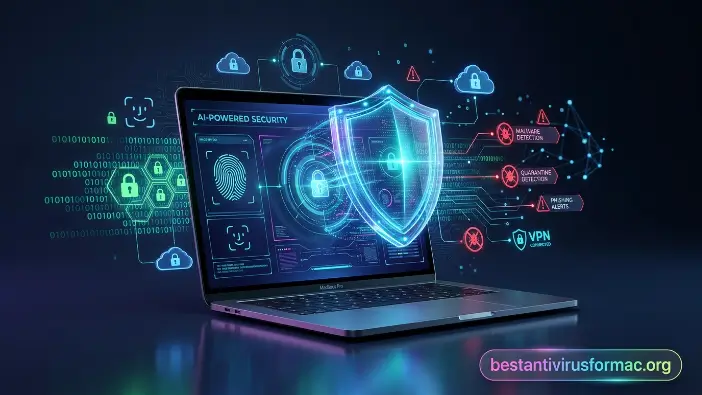
In recent years, Cybersecurity Trends for Mac Users have highlighted the growing number of cyberattacks targeting macOS devices. Threats such as malware, phishing, ransomware, and credential theft can compromise personal information and financial data. Understanding these risks helps Mac users choose effective security measures.
Malware and Spyware Growth on Mac
Malware and spyware can infect Macs through unsafe downloads, fake applications, and suspicious websites. These programs may operate in the background, collecting personal information, monitoring browsing activity, or stealing login credentials.
Phishing Attacks via Email and Browser
Phishing attacks use fraudulent emails, messages, and websites to trick Mac users into revealing passwords or financial information. Attackers often imitate trusted organizations, making it important to verify links and requests before sharing sensitive data.
Ransomware Targeting Apple Users
Ransomware can encrypt files and prevent users from accessing important documents until attackers demand payment. Keeping reliable backups and avoiding suspicious downloads can reduce the risk of data loss.
Zero-Day Exploits in macOS
Zero-day exploits target software vulnerabilities before developers release a fix. Installing security updates promptly and following safe computing practices can help reduce exposure to known vulnerabilities and other security threats.
AI-Powered Cyber Attacks and Automation Threats
AI-powered attacks are an emerging concern in Cybersecurity Trends for Mac Users. Cybercriminals can use artificial intelligence and automation to create convincing scams, personalize phishing messages, and distribute malicious software more efficiently.
How Hackers Use AI
Attackers can use AI to generate realistic emails, imitate trusted organizations, and customize fraudulent messages. These techniques can trick Mac users into clicking malicious links, downloading infected files, or revealing account credentials.
Deepfake Phishing Emails
AI-generated messages can imitate the tone, writing style, and branding of trusted contacts or organizations. Mac users should verify unexpected requests for passwords, payments, or sensitive information through trusted communication channels.
Automated Malware Distribution
Automated systems allow attackers to distribute malicious files through emails and downloads, potentially targeting large numbers of Mac users. Downloading software from trusted sources and keeping security protections updated can reduce these risks.
Cloud Security Risks for Mac Users
Cloud storage introduces additional security considerations for Mac users who store personal files, documents, and backups online. Compromised accounts, weak passwords, and unsafe sharing settings can expose sensitive information.
iCloud Vulnerabilities
A compromised Apple Account can expose information stored in iCloud and other connected services. Strong, unique passwords, multifactor authentication, and awareness of phishing attempts help protect accounts against unauthorized access.
Third-Party Cloud Storage Risks
Services such as Google Drive and Dropbox can expose files if an account is compromised or sharing permissions are configured incorrectly. Users should secure their accounts, review shared links, and avoid opening suspicious files.
Data Sync Exploits
Synchronizing information between Macs, iPhones, and iPads makes files easier to access but can increase the impact of a compromised account. Securing every connected device and reviewing synchronization settings helps protect shared information.
Browser-Based Threats and Online Tracking
Web browsers can expose Mac users to phishing, malicious downloads, unwanted tracking, and fraudulent websites. Recognizing suspicious browser activity and using trusted websites helps reduce these cybersecurity risks.
Malicious Extensions
Some browser extensions imitate legitimate tools but collect browsing information or redirect users to fraudulent websites. Review extension permissions and install add-ons only from trustworthy sources.
Adware and Tracking Scripts
Adware may display unwanted advertisements, pop-ups, and redirects, while tracking scripts can collect information about browsing activity. Reviewing privacy settings and avoiding suspicious downloads can help reduce unwanted tracking and related security risks.
Unsafe Downloads
Files from untrusted websites, pirated software platforms, and misleading download pages may contain malware or spyware. Verify the source and developer before installing applications on your Mac.
macOS Built-in Security Features (2026 Update)
Apple provides built-in security features that help protect Macs against malicious applications, known malware, and unauthorized access to stored data. However, these protections cannot prevent every phishing attack or emerging threat, so users should combine them with regular updates and safe online practices.
Gatekeeper Protection System
Gatekeeper checks applications against macOS security requirements, helping prevent users from running untrusted software. Users should take security warnings seriously and avoid bypassing checks for applications they cannot verify.
XProtect Malware Detection
XProtect is Apple’s built-in malware detection technology that helps identify and block known malicious software. Keeping macOS updated helps ensure that available security improvements and malware protections remain current.
FileVault Encryption
FileVault encrypts data stored on a Mac’s startup disk, helping prevent unauthorized access if the device is lost or stolen. Enabling FileVault and protecting the account password and recovery method can strengthen data security.
Safari Privacy Enhancements
Safari includes privacy features that limit certain forms of cross-site tracking and warn users about suspected fraudulent websites. Reviewing website permissions and checking URLs before entering sensitive information can further improve browsing safety.
Best Cybersecurity Practices for Mac Users
Strong security habits help Mac users reduce the risk of malware infections, phishing attacks, and unauthorized account access. Regular updates, safe browsing, secure passwords, multifactor authentication, and reliable backups are important parts of an effective security strategy.
Regular macOS Updates
Installing macOS updates helps fix security vulnerabilities and maintain current system protections. Delaying updates can leave a Mac exposed to weaknesses that attackers already know how to exploit.
Safe Browsing Habits
Avoid suspicious links, unexpected attachments, and downloads from untrusted websites. Verify website addresses and use trusted sources to reduce the risk of phishing and malware infections.
Strong Password Management
Use long, unique passwords for different accounts to reduce the risk of credential theft. A reputable password manager can generate and securely store passwords, making account protection easier.
Two-Factor Authentication
Two-factor authentication (2FA) adds another verification step when signing in to an account. Even if a password is stolen, the additional requirement can make unauthorized access more difficult.
Backup Strategies
Regular backups help restore important files after accidental deletion, system failure, or ransomware attacks. Tools such as Time Machine and suitable cloud backup services can help preserve essential data.
Recommended Security Tools for Mac Protection
Additional security tools can complement macOS protections by helping users manage malware risks, protect online privacy, and secure account credentials. The most useful tools depend on individual security needs and online activities.
Antivirus Solutions for macOS
Antivirus software can provide additional malware detection, real-time protection, and web security features. A reputable, regularly updated product may be useful for users who frequently download files or install third-party applications.
VPN for Privacy Protection
A Virtual Private Network (VPN) encrypts network traffic between a device and a VPN server, helping protect data in transit. It can improve privacy when using public Wi-Fi, but it does not replace antivirus protection or prevent phishing attacks.
Password Managers
Password managers securely store credentials and help generate unique passwords for different accounts. Using one can reduce password reuse and limit the damage caused by individual account breaches.
Future of Cybersecurity Trends for Mac Users
The future of Cybersecurity Trends for Mac Users will be shaped by AI-assisted attacks, automated threat detection, and stronger identity verification. Staying informed about these developments can help users adapt their security practices as threats change.
AI vs AI Cyber Warfare
Cybercriminals can use AI to create phishing messages and automate attacks, while security systems can use AI-assisted detection to identify suspicious activity. Both attackers and defenders are likely to continue developing these technologies, making layered security and user awareness important.
Zero Trust Security Model
The Zero Trust security model follows the principle of “never trust, always verify.”
It requires access requests to be evaluated based on identity, permissions, and device security rather than automatically trusting users or devices. This approach can help Mac users reduce unauthorized access and protect sensitive information.
Stronger Apple Ecosystem Security
Security improvements across Mac, iPhone, iPad, and Apple’s cloud services can strengthen protection for connected devices and accounts. Users should still install updates, secure their accounts, and verify unexpected requests to reduce cybersecurity risks.
Common Mistakes Mac Users Make
Many cybersecurity risks result from avoidable mistakes, including delaying updates, downloading untrusted software, using weak passwords, and disabling security protections. Avoiding these behaviors helps reduce exposure to common Mac threats.
Ignoring Updates
Delaying macOS updates can leave known security vulnerabilities unpatched, making it easier for attackers to exploit outdated systems.
Key points explanation:
- Security patches included
Updates fix vulnerabilities that attackers may exploit. - Protection from known threats
Current security fixes help defend against attacks targeting documented weaknesses. - Better system stability
Updates can resolve bugs and improve system reliability. - Reduced hacking risk
Patched vulnerabilities are harder to exploit. - Continuous protection
Regular updates help keep security defenses current.
Downloading from Untrusted Sources
Downloading software from unknown websites or pirated platforms can expose a Mac to malware, spyware, and unwanted applications.
Key points explanation:
- Hidden malware risk
Untrusted downloads may contain malicious code. - Spyware threat
Some programs attempt to collect private information without permission. - Adware infections
Unsafe installers may add unwanted advertisements and redirects. - Data theft risk
Malware may attempt to access sensitive files and account credentials. - System damage
Malicious software can interfere with normal system operation.
Weak Passwords
Simple or reused passwords increase the risk of account compromise. If one password is exposed, attackers may try it on other services.
Key points explanation:
- Easy to guess passwords
Predictable passwords are easier for attackers to guess. - Reused password risk
Using the same password across services can expose multiple accounts. - Data breach impact
Stolen credentials may be used to attempt access to other websites. - Account takeover risk
Compromised passwords can expose email, social media, and financial accounts. - The major cause of attacks
Weak and reused passwords remain an important account security risk.
Disabling Security Settings
Turning off macOS security features can weaken protection against malicious applications and unwanted network connections. Keep essential security settings enabled unless there is a clear, verified reason to change them.
Key points explanation:
- Loss of app protection (Gatekeeper)
Bypassing application checks can increase the risk of running untrusted software. - Reduced malware detection (XProtect)
Interfering with malware protection can reduce detection of known threats. - No network protection (Firewall)
Disabling the firewall removes a layer of control over incoming network connections. - Higher vulnerability to attacks
Weakened protections can increase exposure to malicious software and unauthorized access. - Increased risk from unsafe software
Untrusted applications may run with fewer security checks.
Frequently Asked Questions
Are Macs really safe from viruses?
No, Macs are not completely safe. While they have strong built-in security, modern threats like malware, phishing, and spyware can still target macOS users.
Do Mac users need antivirus software?
Yes, antivirus software can add an extra layer of protection by detecting threats that built-in tools may not catch, especially new or advanced malware.
What is the biggest cybersecurity risk for Mac users?
The biggest risks are phishing attacks, weak passwords, and downloading files from untrusted sources, which often lead to account or data theft.
How can I keep my Mac safe?
You can stay safe by keeping macOS updated, using strong passwords, enabling two-factor authentication, and avoiding suspicious links or downloads.
Is macOS security enough on its own?
macOS provides strong built-in protection, but it works best when combined with safe user habits like careful browsing and regular updates.
Conclusion
In Cybersecurity Trends for Mac Users, the main idea is that Mac computers are secure, but they are not completely safe from modern cyber threats. In the past, many people believed Macs could not get viruses, but this is no longer true. Today, cybercriminals actively target Mac users using advanced methods like phishing emails, fake websites, malware, and even AI-powered attacks. These threats are becoming more common because more people now use Macs for banking, work, and storing personal data.
Apple provides strong built-in security features such as Gatekeeper, XProtect, FileVault, and Safari protections. These tools help block many dangerous apps, detect known malware, and protect user data. However, these protections cannot stop every threat, especially new or unknown attacks. This is why security does not depend only on software but also on user behavior. Simple mistakes like clicking unknown links, downloading untrusted files, or using weak passwords can still lead to serious security problems.