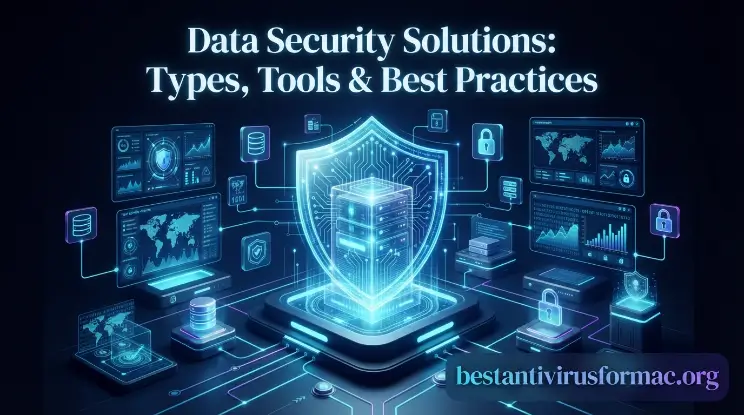
Welcome to bestantivirusformac. Data security solutions are essential technologies and strategies designed to protect digital information from unauthorized access, theft, corruption, and cyberattacks. In today’s highly connected digital environment, businesses generate and store massive volumes of sensitive data, including customer records, financial details, and internal communications. Without strong protection systems in place, this data becomes an easy target for hackers, ransomware, and insider threats. As a result, organizations across all industries are investing heavily in advanced data security solutions to safeguard their most valuable digital assets.
Data security solutions go far beyond basic antivirus software or firewalls. They include a layered combination of encryption, identity and access management, data loss prevention, cloud security controls, and continuous threat monitoring systems. These technologies work together to ensure that data remains protected whether it is stored, shared, or transmitted across networks. With cyber threats becoming more sophisticated every year, businesses need comprehensive and scalable security frameworks to reduce risk, maintain compliance, and ensure uninterrupted operations.
What Are Data Security Solutions?
Data security solutions refer to a combination of technologies, processes, and security practices designed to protect digital information from unauthorized access, misuse, corruption, or theft. These solutions form the foundation of modern cybersecurity strategies and are used to secure data at every stage, whether it is being stored in databases, transferred across networks, or accessed by users. In today’s digital-first environment, organizations rely heavily on these systems to maintain data confidentiality and prevent costly breaches.
Core Definition and Purpose
The core purpose of data security solutions is to protect sensitive information while ensuring that only authorized users can access it. These solutions are designed to enforce the fundamental security principles of confidentiality, integrity, and availability, often referred to as the CIA triad. By implementing strong security controls, businesses can reduce the risk of data leaks, unauthorized modifications, and system disruptions.
In addition to protection, these solutions also support compliance with regulatory frameworks such as GDPR, HIPAA, and ISO standards. They often incorporate data encryption and identity management tools to ensure that data remains secure both at rest and in transit. This structured approach allows organizations to maintain trust and meet legal obligations while operating in complex digital environments.
Why Businesses Need Data Security Solutions
Businesses need data security solutions because modern organizations handle vast amounts of sensitive and high-value information that is constantly under threat from cyberattacks. Without proper protection, companies are vulnerable to ransomware, phishing attacks, insider threats, and accidental data loss. These risks can result in financial damage, legal penalties, and long-term reputational harm.
Moreover, the growing use of cloud computing and remote work has increased exposure to security vulnerabilities, making strong protection even more critical. Implementing data protection solutions helps businesses secure endpoints, networks, and cloud environments while ensuring operational continuity. In addition, these systems help organizations maintain customer trust by demonstrating a commitment to safeguarding personal and financial data.
Types of Data Security Solutions
Data security solutions represent a multi-layered framework designed to protect digital assets from increasingly complex cyber threats by creating multiple overlapping layers of defense. In today’s digital environment, attackers rarely rely on a single method; instead, they exploit weaknesses across endpoints, networks, applications, and cloud infrastructures simultaneously. Because of this, organizations must adopt a defense-in-depth approach where each layer of security strengthens the next, reducing the chances of a successful breach even if one layer is compromised.
Data Encryption Solutions
Data security solutions based on encryption are designed to transform readable data into unreadable ciphertext, ensuring that only authorized users with the correct decryption key can access it. This process is essential for protecting sensitive information such as financial transactions, healthcare records, and confidential business communications. Even if attackers intercept the data, encryption ensures it remains useless without proper authorization.
Modern encryption methods used in data security solutions include symmetric encryption, where a single key is used for both encryption and decryption, and asymmetric encryption, which uses a public-private key pair for enhanced security. These data encryption technologies are widely applied in secure messaging, cloud storage, and online transactions, making them a foundational element of digital security infrastructure.
Identity and Access Management (IAM)
Identity and Access Management (IAM) is a critical component of data security solutions that ensures only verified users can access specific systems and resources. It works by defining user identities, assigning roles, and enforcing strict access policies based on job responsibilities. This reduces the risk of unauthorized access and insider threats within an organization.
IAM-based data security solutions also include advanced authentication mechanisms such as multi-factor authentication (MFA), biometric verification, and single sign-on (SSO). These access control systems add multiple layers of verification, making it significantly harder for attackers to compromise user accounts or gain unauthorized entry into sensitive systems.
Data Loss Prevention (DLP)
Data Loss Prevention (DLP) is one of the most important data security solutions used to prevent sensitive information from leaving an organization without authorization. It continuously monitors data movement across endpoints, emails, cloud applications, and storage systems to detect risky or non-compliant behavior.
Advanced data monitoring systems within DLP solutions can automatically classify sensitive data, enforce security policies, and block unauthorized sharing attempts in real time. These data security solutions are especially valuable for industries that handle personally identifiable information (PII), intellectual property, or financial records, where even a small data leak can have serious consequences.
Cloud Security Solutions
Cloud security solutions are modern data security solutions built to protect data stored in cloud environments such as AWS, Azure, and Google Cloud. As organizations shift toward cloud computing, securing virtual infrastructure, applications, and APIs has become a top priority for preventing breaches and misconfigurations.
These cloud protection systems include tools like Cloud Security Posture Management (CSPM) and Cloud Workload Protection Platforms (CWPP), which continuously monitor cloud environments for vulnerabilities. These data security solutions help organizations enforce security policies, detect misconfigurations, and prevent unauthorized access to cloud-based resources.
Backup and Disaster Recovery
Backup and disaster recovery are essential data security solutions that ensure organizations can restore their data and systems after unexpected failures, cyberattacks, or natural disasters. These solutions create secure copies of critical data and store them in separate locations to prevent permanent loss.
Modern data backup systems use automated scheduling, cloud redundancy, and real-time replication to ensure minimal downtime during recovery. These data security solutions are vital for maintaining business continuity, reducing operational disruption, and ensuring that organizations can quickly resume normal operations after an incident.
Read also: Workspace Partners: Complete Guide to Collaboration & Growth
Key Features of Modern Data Security Solutions
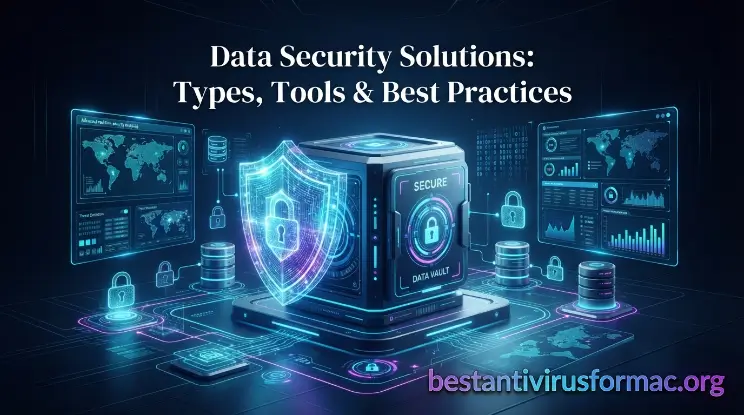
Data security solutions are built on advanced, multi-layered technologies that go far beyond traditional antivirus programs or basic firewall protection. Instead of relying on a single line of defense, these systems combine several interconnected security mechanisms that work together to identify, prevent, and respond to cyber threats in real time. This approach is necessary because modern attacks are highly sophisticated, often targeting multiple vulnerabilities at once across cloud platforms, internal networks, and user endpoints.
Key Features of Modern Data Security Solutions
- Real-time threat detection and response: These systems continuously monitor network activity to detect suspicious behavior instantly. They help organizations respond quickly before threats can cause serious damage.
- AI-powered security analytics: Modern tools use artificial intelligence to analyze large volumes of data and identify unusual patterns. This improves accuracy in detecting advanced cyberattacks.
- End-to-end data encryption: Data is protected both at rest and in transit using strong encryption techniques. This ensures that even stolen data remains unreadable without the correct key.
- Identity and access control management: These systems enforce strict user authentication rules such as MFA and RBAC. They ensure only authorized individuals can access sensitive systems.
- Zero-trust security architecture: Every access request is verified, even inside the network. This reduces the risk of internal threats and lateral movement by attackers.
- Automated security monitoring: Security systems automatically track system activity 24/7 without manual intervention. This helps reduce human error and improves threat visibility.
- Endpoint protection systems: Devices like laptops, mobiles, and servers are secured against malware and unauthorized access. This is critical for remote and hybrid work environments.
- Cloud security integration: Modern solutions secure cloud environments by monitoring configurations and workloads. They help prevent misconfigurations and cloud-based breaches.
- Incident detection and automated alerts: When suspicious activity is detected, alerts are triggered immediately. This allows IT teams to take fast corrective action.
- Scalability and system integration: These solutions can easily scale with business growth and integrate with existing IT infrastructure. This ensures long-term usability and cost efficiency.
How to Choose the Right Data Security Solutions
Data security solutions are a critical decision for any organization because it directly impacts how effectively sensitive information is protected against cyber threats, data breaches, and unauthorized access. Given the increasing complexity of digital infrastructure, businesses must carefully evaluate their security requirements rather than adopting random tools. A well-chosen solution ensures strong protection, regulatory compliance, and long-term operational stability.
Assessing Business Needs
The first step in selecting effective data security solutions is to thoroughly assess business needs and understand what type of data requires protection. Different organizations handle different levels of sensitive information, such as financial data, healthcare records, or customer identities, and each requires a tailored security approach. Without this assessment, businesses may either overinvest in unnecessary tools or underprotect critical assets.
This process also involves identifying potential risks, vulnerabilities, and compliance requirements relevant to the industry. By analyzing data protection requirements, organizations can determine whether they need basic security tools or advanced enterprise-level systems. A clear understanding of business needs ensures that the selected data security solutions align with operational goals and risk exposure.
Scalability and Integration
Scalability is a crucial factor when selecting data security solutions, especially for growing businesses that expect increasing data volumes and expanding digital infrastructure. A scalable solution ensures that security systems can handle higher workloads without performance issues, making it suitable for long-term use. Without scalability, organizations may face limitations that require costly system replacements later.
Integration capabilities are equally important because modern IT environments rely on multiple platforms, such as cloud services, on-premises systems, and third-party applications. Effective data security solutions should seamlessly integrate with existing systems like cloud security platforms and enterprise software to ensure consistent protection across all environments. Poor integration can lead to security gaps and operational inefficiencies.
Budget Considerations
Budget plays a significant role in choosing data security solutions, as organizations must balance cost with the level of protection required. While advanced security systems may offer extensive features, not all businesses need enterprise-grade solutions. It is important to evaluate the return on investment by considering potential losses from data breaches versus the cost of implementation.
Companies should also consider hidden costs such as maintenance, upgrades, training, and licensing fees when evaluating cybersecurity investments. A well-planned budget ensures that data security solutions are not only affordable but also sustainable in the long run. Choosing cost-effective solutions without compromising essential security features is key to achieving financial and operational efficiency.
Vendor Reputation and Support
Vendor reputation is a critical factor when selecting data security solutions, as trusted providers are more likely to offer reliable, secure, and well-tested systems. Established vendors typically have proven track records, industry certifications, and positive customer feedback, which indicate their ability to deliver high-quality security products.
In addition to reputation, strong technical support and customer service are essential for maintaining enterprise security systems. Reliable vendors provide regular updates, security patches, and 24/7 support to ensure that data security solutions remain effective against emerging threats. Guide poor vendor support can leave organizations vulnerable during critical security incidents, making this factor a key part of the decision-making process.
Implementation Best Practices for Data Security Solutions
Data security solutions effectively require more than just installing tools; it involves building a structured security framework that aligns with organizational policies and long-term risk management strategies. Even the most advanced technologies can fail if they are not properly configured, monitored, and maintained within a well-defined security environment. Therefore, businesses must follow best practices that ensure consistent protection across all systems and users.
Security Policy Development
A strong security policy is the foundation of effective data security solutions because it defines how data should be accessed, stored, and protected within an organization. These policies establish clear rules for employees and systems, ensuring that sensitive information is handled consistently and securely across all departments.
Well-developed information security policies also help organizations comply with legal and regulatory requirements such as GDPR and ISO standards. By clearly outlining roles, responsibilities, and access controls, these policies strengthen data security solutions and reduce the risk of human error or unauthorized data access.
Employee Training and Awareness
Employee training is a critical component of data security solutions because human error is one of the leading causes of data breaches. Regular training programs help employees recognize threats such as phishing emails, social engineering attacks, and unsafe data handling practices.
Awareness initiatives focused on cybersecurity education ensure that staff understand how to follow security protocols correctly. When employees are well-trained, data security solutions become significantly more effective because users actively contribute to maintaining a secure digital environment rather than unintentionally creating vulnerabilities.
Regular Security Audits
Regular security audits are essential for maintaining strong data security solutions because they help identify weaknesses, misconfigurations, and compliance gaps within an organization’s systems. These audits provide a clear overview of how effectively security controls are working in real-world conditions.
Through risk assessment processes, businesses can detect vulnerabilities before they are exploited by attackers. Conducting frequent audits ensures that data security solutions remain aligned with industry standards and continue to provide adequate protection against emerging cyber threats.
Continuous Monitoring and Updates
Continuous monitoring is a vital practice in data security solutions because it enables real-time detection of suspicious activities across networks, endpoints, and cloud environments. This proactive approach allows organizations to respond quickly to potential threats before they escalate into major incidents.
In addition, regular updates and patch management are crucial for maintaining system security integrity. By keeping software and security tools up to date, organizations ensure that their data security solutions remain effective against newly discovered vulnerabilities and evolving attack techniques.
Common Challenges in Data Security Solutions
Data security solutions play a critical role in protecting modern digital environments, but organizations often face several challenges while implementing and maintaining them. These challenges arise due to rapidly evolving cyber threats, complex IT infrastructures, and increasing volumes of sensitive data across cloud and on-premises systems. Even advanced security frameworks require continuous updates and skilled management to remain effective.
Common Challenges in Data Security Solutions
- Rapidly evolving cyber threats: Attackers continuously develop new techniques like ransomware and zero-day exploits. This makes it difficult for data security solutions to stay fully up to date with emerging attack methods.
- Human error and weak security practices: Employees often unintentionally cause data breaches through phishing clicks or weak passwords. These mistakes weaken even the strongest cybersecurity defenses.
- Complex IT and hybrid environments: Managing security across cloud, on-premises, and remote systems increases complexity. This makes data security solutions harder to configure and maintain consistently.
- Insider threats and unauthorized access: Malicious or careless employees can misuse access privileges. Detecting insider threats is difficult without advanced monitoring tools.
- Cloud misconfigurations: Incorrect cloud settings often expose sensitive data to the public. Even small configuration errors can create major vulnerabilities in cloud security systems.
- Data volume and scalability issues: Organizations generate massive amounts of data daily, making it hard for security tools to process and monitor everything effectively.
- Lack of skilled cybersecurity professionals: Many companies struggle to hire experts who can manage advanced data security solutions, leading to implementation gaps.
- High implementation and maintenance costs: Advanced security tools require significant investment in software, infrastructure, and training, which can strain budgets.
- Integration issues with legacy systems: Older systems often do not integrate well with modern security tools, creating weak points in overall protection.
- Regulatory compliance complexity: Meeting standards like GDPR, HIPAA, and ISO requires continuous monitoring and updates, adding operational pressure to security teams.
Benefits of Data Security Solutions
Data security solutions provide organizations with essential protection mechanisms that safeguard sensitive information, ensure compliance, and maintain business continuity in an increasingly digital and threat-prone environment. By implementing strong security frameworks, businesses can reduce risks, improve operational stability, and build long-term trust with customers and stakeholders. These solutions also help organizations manage data more efficiently while minimizing exposure to cyber threats.
Benefits of Data Security Solutions
- Reduced risk of data breaches: Strong security systems prevent unauthorized access and protect sensitive data from cyberattacks. This significantly lowers the chances of financial and reputational damage.
- Improved regulatory compliance: Data security solutions help businesses meet standards like GDPR, HIPAA, and ISO. Compliance reduces legal risks and ensures proper data handling practices.
- Enhanced customer trust and reputation: When users know their data is secure, they are more likely to trust the business. This improves brand reputation and long-term customer loyalty.
- Protection against cyber threats: Advanced tools defend against ransomware, phishing, and malware attacks. These protections are essential in modern cybersecurity environments.
- Business continuity and disaster recovery: Backup systems ensure data can be restored quickly after system failures or cyber incidents. This minimizes downtime and operational disruption.
- Improved data visibility and control: Organizations gain better insight into how data is accessed and used. This helps enforce stronger data governance policies.
- Cost savings from prevented incidents: Preventing breaches is far less expensive than recovering from them. Security investments reduce long-term financial losses.
- Stronger access control and authentication: Systems like IAM ensure only authorized users can access sensitive data. This reduces insider threats and unauthorized usage.
- Better cloud security management: These solutions help secure cloud environments and prevent misconfigurations. This is crucial for modern cloud computing infrastructures.
- Increased operational efficiency: Automated monitoring and security tools reduce manual workload. This allows IT teams to focus on strategic improvements rather than constant threat response.
Frequently Asked Questions
What are data security solutions used for?
Data security solutions are used to protect sensitive digital information from unauthorized access, theft, and corruption. They help organizations secure data across storage systems, networks, cloud platforms, and user devices while ensuring business continuity and compliance.
What are the main types of data security solutions?
The main types include encryption systems, Identity and Access Management (IAM), Data Loss Prevention (DLP), cloud security solutions, and backup and disaster recovery systems. Each plays a different role in strengthening overall cybersecurity protection.
Why are data security solutions important for businesses?
They are important because businesses handle large volumes of sensitive data that are targeted by cyberattacks. Data security solutions reduce risks, prevent financial loss, ensure regulatory compliance, and protect customer trust.
How does data encryption improve security?
Data encryption converts readable information into unreadable code that can only be accessed with a decryption key. This ensures that even if data is intercepted, it remains useless to attackers.
Are cloud-based data security solutions safe?
Yes, cloud-based data security solutions are safe when properly configured and managed. They include advanced protections like encryption, monitoring, and access controls to secure cloud environments against unauthorized access and misconfigurations.
Conclusion
Data security solutions have become a fundamental requirement for every organization, regardless of size or industry. As cyber threats continue to grow in complexity, businesses must adopt advanced security frameworks that protect sensitive information across cloud systems, networks, and endpoints. These solutions not only safeguard data from breaches and unauthorized access but also ensure regulatory compliance, operational continuity, and long-term business stability.
Data security solutions are not just about preventing cyberattacks—it is about building a resilient digital foundation for the future. Organizations that prioritize strong security practices are better equipped to maintain customer trust, reduce financial risks, and adapt to evolving technological challenges. By implementing layered defenses, continuous monitoring, and proactive risk management, businesses can ensure their data remains secure in an increasingly interconnected world.