
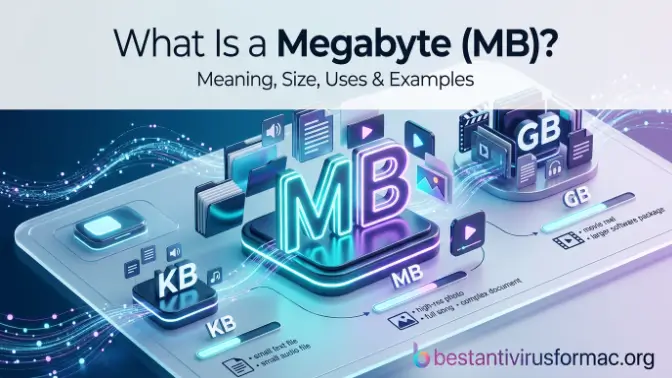
Welcome to bestantivirusformac. A megabyte (MB) is a fundamental unit of digital storage used to measure the size of files, data, and memory in computers, smartphones, and online systems. It belongs to the broader system of digital storage units that help organize and manage information in a structured way. In simple terms, a megabyte (MB) tells us how much space a file occupies, whether it is a document, image, audio clip, or small video. Understanding this unit is essential for anyone working with file size measurement or dealing with computer memory in everyday digital tasks.
In today’s digital world, almost every online activity involves megabytes (MB) usage, from downloading apps to streaming media and sending emails. It plays a key role in managing storage capacity and monitoring data size on devices and internet plans. For example, mobile data packages are often calculated in MB, making it easier for users to track their internet data usage. By understanding how a megabyte (MB) works and how it fits into the system of kilobytes (KB) and gigabytes (GB), users can better control their digital storage and make smarter decisions when handling files and applications.
What Is a Megabyte?
A megabyte (MB) is a standard unit of digital information used to measure the size of files and the amount of data stored or transferred in computing systems. It is part of the digital storage units hierarchy that includes bytes, kilobytes (KB), megabytes (MB), and gigabytes (GB). A megabyte (MB) represents a medium level of data size, commonly used for images, documents, audio files, and small videos. In the modern computer memory system, it plays an important role in helping users understand how large or small a file is and how much space it will occupy on a device or storage medium.
Definition of Megabyte
A megabyte is defined as a unit of digital data equal to 1,024 kilobytes in the binary system used by computers. It is built on the basic unit called a byte, where each byte consists of 8 bits of data. This structure helps computers store, process, and transfer information efficiently. A megabyte (MB) is widely used in everyday technology because it represents a practical size for many common files such as photos, PDFs, and audio clips.
In simple terms, a megabyte helps users understand the file size measurement in a way that is easy to compare and manage. Whether you are downloading an app or saving a document, the size shown in MB gives you a clear idea of how much storage capacity will be used on your device.
- 1 Byte = 8 Bits – This is the smallest unit of data used in computing and forms the base of all digital storage units.
- 1 KB = 1,024 Bytes – A kilobyte is slightly larger and is used for small text files or simple data.
- 1 MB = 1,024 KB – A megabyte combines thousands of bytes and is commonly used for images, songs, and documents.
How Megabytes are Measured
A megabyte is measured using the binary system, which is the language computers use to process and store data. In this system, everything is based on powers of 2 instead of the decimal system we use in daily life. That is why 1 megabyte is equal to 1,024 kilobytes instead of 1,000 kilobytes. This method ensures accuracy and efficiency in data storage systems and computer memory structures.
The measurement of a megabyte (MB) helps standardize how digital information is calculated across devices and platforms. Whether you are checking storage on a smartphone or transferring files online, MB provides a consistent way to understand data size measurement and manage digital resources effectively.
- Binary System – Computers use a base-2 system (0 and 1), which allows precise calculation of digital data.
- Relation to Bytes – A megabyte is made up of 1,024 kilobytes, and each kilobyte contains 1,024 bytes, forming a structured hierarchy of data measurement.
How Many Kilobytes in a Megabyte?
The relationship between a megabyte (MB) and a kilobyte (KB) is an important part of understanding digital storage units and how data is measured in computers. A megabyte is made up of a large number of smaller data units called kilobytes, which helps in organizing and calculating file size measurement in a structured way. This conversion is widely used in computer memory systems, internet data tracking, and storage management, allowing users to understand exactly how much space a file will consume on their devices. In simple terms, knowing how many kilobytes are in a megabyte makes it easier to compare and manage different file sizes efficiently.
MB to KB Conversion
The conversion between megabytes and kilobytes follows the binary system used by computers, where data is measured in powers of 2 instead of 10. This means that 1 megabyte is not equal to 1,000 kilobytes, but rather 1,024 kilobytes. This standard helps maintain accuracy in data storage systems and ensures consistency across all digital platforms, whether you are using a mobile phone, computer, or cloud storage service.
Understanding this conversion is very useful in everyday digital activities like downloading files, uploading documents, or checking storage limits. It gives a clear idea of how much space a file will take and helps users manage their storage capacity more effectively.
- 1 MB = 1024 KB – This means one megabyte contains 1,024 kilobytes, forming a standard measurement used in computing systems.
- Simple Explanation – In easy terms, a megabyte is just a larger unit made by combining many kilobytes to represent bigger file sizes like images, songs, or documents.
Read also: Hilti PROFIS Software Guide: Features, Uses & Design Workflow
Megabyte vs Gigabyte
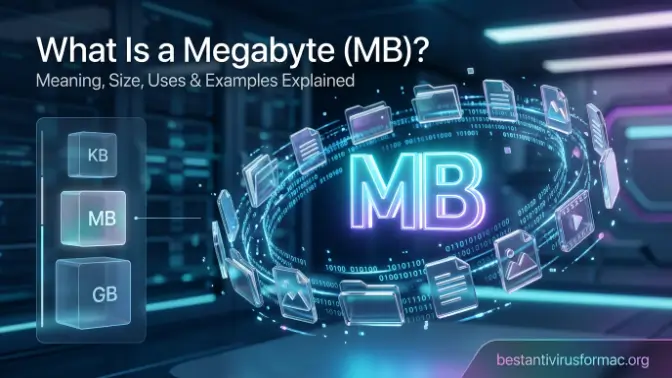
The comparison between a megabyte (MB) and a gigabyte (GB) is essential for understanding digital storage units and how data is organized in modern computing systems. Both units are used to measure file size, but they represent very different scales of data. A megabyte is used for smaller files, while a gigabyte represents much larger storage capacity. This difference helps users manage computer memory and storage capacity more effectively, especially when dealing with apps, media files, and system storage on devices like smartphones and laptops.
Key Differences
The main difference between a megabyte (MB) and a gigabyte (GB)** lies in their size and usage in digital systems. A gigabyte is much larger than a megabyte, which means it can store significantly more data. This makes GB more suitable for heavy files, while MB is used for smaller data types. Understanding this difference helps users better manage data storage systems and avoid confusion when checking device storage or downloading files.
In practical terms, MB is commonly seen in smaller tasks like image sizes or document files, while GB is used for larger storage needs such as applications, software, and video files. This distinction is very important in file management and digital storage usage, especially in modern devices where storage is limited and must be used wisely.
- Size Comparison – 1 GB = 1,024 MB, meaning a gigabyte is much larger and can store far more data than a megabyte.
- Usage Difference – MB is used for small files like images and songs, while GB is used for large files like apps, games, and high-quality videos.
Real-Life Examples
In everyday digital life, both megabytes (MB) and gigabytes (GB)** are used in different situations depending on file size and storage needs. Small files such as images, PDFs, or short audio clips are usually measured in MB, while larger files like applications, movies, and system updates are measured in GB. This helps users easily understand file size measurement and manage their storage capacity without confusion.
For example, when you download a photo or send a document through email, the size is usually in MB because it is small. However, when you install a mobile app or download a movie, the size is often in GB because these files contain much more data and require higher storage space.
- Apps – Mobile applications like social media or games are usually measured in GB because they contain large amounts of data and features.
- Photos – Regular images are often measured in MB since they are relatively small in size and require less storage space.
- Videos – High-quality videos or movies are measured in GB because they include large amounts of visual and audio data.
What Can You Store in 1 Megabyte?
A megabyte (MB) may seem like a small unit in today’s digital storage systems, but it can still hold a surprising amount of data depending on the type of file. It is commonly used to measure file size for simple documents, compressed images, and short audio clips. Understanding what can fit into 1 MB helps users better manage storage capacity on their devices and estimate how much space different types of files will consume in everyday digital tasks.
- Text files – A 1 MB storage space can hold hundreds of pages of plain text because text data uses very little memory and is highly efficient in size.
- Images – Depending on quality and compression, 1 MB can store a few medium-quality images, as photos require more data than text files.
- Small audio clips – Short voice recordings or audio notes can fit into 1 MB since they are compressed and do not require large storage space.
Importance of Megabytes in Technology
A megabyte (MB) is an essential unit in modern digital storage systems because it helps measure and manage data in almost every area of technology. It is widely used in internet data usage, mobile devices, and cloud platforms to track how much information is being consumed or stored. Whether you are browsing online, downloading apps, or saving files in the cloud, the concept of a megabyte makes it easier to understand file size measurement and control storage capacity efficiently in everyday digital life.
- Internet data usage – MB is used to measure how much data is consumed while browsing, streaming, or downloading online content, helping users track their internet usage easily.
- Mobile storage – In smartphones, MB is used to measure the size of apps, photos, and files, allowing users to manage storage space and avoid memory issues.
- Cloud storage relevance – In cloud systems, MB helps calculate how much data is stored or uploaded online, making it easier to organize and access files from anywhere.
Real-Life Examples of Megabyte Usage
A megabyte (MB) is commonly used in everyday digital activities because it helps measure the size of files that people regularly send, receive, and download. In digital communication systems, MB makes it easier to understand how large a file is before sharing it through apps, email, or online platforms. Guide From sending images on messaging apps to downloading applications, the concept of file size measurement in MB plays an important role in managing storage capacity and internet data usage efficiently.
- WhatsApp image size – Images shared on WhatsApp are usually measured in MB, and their size depends on quality and compression, helping users know how much data is being sent or received.
- Email attachments – Files sent through email, such as documents or images, are often limited in MB so that they can be uploaded and downloaded easily without exceeding size restrictions.
- App downloads – Mobile applications are measured in MB or GB, where smaller apps may be a few MB in size, while larger apps require more storage space during installation.
Common Mistakes About Megabytes
A megabyte (MB) is often misunderstood by many users because it looks similar to other digital units, especially megabit (Mb) and other storage measurement units. This confusion usually happens when people check internet speed, file sizes, or device storage without knowing the exact difference between these terms. In digital storage systems, using the wrong unit can lead to incorrect assumptions about data usage, download speed, or available storage space, which is why understanding these common mistakes is very important for clear file size measurement and proper data management.
- Confusing MB with Mb (megabit) – Many people mix up megabyte (MB) and megabit (Mb), but MB is used for file size and storage, while Mb is mainly used for internet speed, leading to a misunderstanding of data usage.
- Misunderstanding storage units – Users often confuse different storage units like KB, MB, and GB, which can result in wrong assumptions about how much space a file will take or how much data is actually being used.
Frequently Asked Questions
What is the main purpose of a megabyte in computing?
A megabyte (MB) is mainly used to measure digital file sizes and help users understand how much storage space data will occupy in devices and online systems. It simplifies managing files in everyday technology use.
Why do file sizes sometimes differ even if they are the same type?
File sizes can differ because of compression, quality settings, and format type, which affect how much data is stored within the same file category, like images or audio.
Can a megabyte be used to measure internet speed?
A megabyte is used for data size, not speed. Internet speed is measured in megabits per second (Mbps), which is different from MB used for storage.
Why is understanding MB important for mobile users?
Understanding MB helps mobile users manage storage space effectively, avoid running out of memory, and make informed decisions when downloading apps or media files.
How does compression affect megabyte size?
Compression reduces file size in megabytes by removing unnecessary data, making files smaller and easier to store or share without significantly affecting quality.
Conclusion
A megabyte (MB) is an important unit in digital storage systems that helps people understand how much space a file uses on a device. It is used in almost every digital activity, including downloading apps, sharing images, sending emails, and storing files. In simple words, MB makes it easier to measure and manage file size in daily life. It sits between kilobytes and gigabytes, acting as a middle-level unit in the data measurement system.
Understanding megabytes (MB) is very useful for managing storage capacity and controlling internet data usage. It helps users avoid confusion when checking file sizes or comparing different types of data. Whether on a mobile phone, computer, or cloud storage, knowing how MB works allows better control over digital space and improves overall efficiency in handling modern technology.