
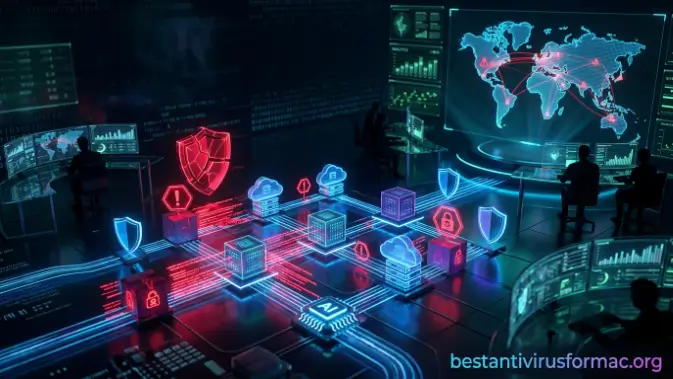
Welcome to bestantivirusformac. In recent years, software supply chain attack news has become one of the most discussed topics in cybersecurity. As organizations increasingly rely on open-source software, third-party dependencies, cloud platforms, and external development tools, attackers have shifted their focus from direct network breaches to exploiting trusted software ecosystems. Instead of targeting a single company, cybercriminals can compromise a widely used software component, package repository, or vendor and gain access to thousands of organizations simultaneously. This approach makes software supply chain attacks highly effective, difficult to detect, and capable of causing widespread disruption across multiple industries.
The growing volume of software supply chain attack news today highlights the urgent need for stronger software supply chain security practices. Recent incidents involving malicious npm packages, compromised GitHub repositories, stolen developer credentials, and vulnerable CI/CD pipelines have demonstrated how attackers can infiltrate modern development environments. These threats not only expose sensitive data but also impact business operations, customer trust, and regulatory compliance. As the software ecosystem becomes more interconnected, understanding the latest attack trends, emerging risks, and defense strategies is essential for organizations looking to protect their software dependencies, strengthen cybersecurity risk management, and maintain secure software development processes.
What Is a Software Supply Chain Attack?
A software supply chain attack is a cyberattack in which threat actors compromise a trusted component within the software development process, such as third-party dependencies, open-source software, software vendors, or development tools, to gain access to multiple organizations. Instead of targeting a company directly, attackers exploit trusted software components to distribute malicious code through legitimate channels, making detection more challenging. As modern applications depend on numerous interconnected libraries and services, a single compromise can impact thousands of users, resulting in data breaches, financial losses, operational disruptions, and reputational damage. Understanding these attacks is crucial for strengthening software supply chain security and protecting organizations from evolving cyber threats.
How Software Supply Chains Work
A software supply chain includes every component, tool, and process involved in creating, testing, and delivering software. This ecosystem typically consists of developers, open-source packages, third-party vendors, source code repositories, build servers, testing environments, and deployment platforms. Modern software development depends heavily on external components because they help reduce development time and accelerate innovation.
When developers build an application, they often integrate numerous software dependencies from external sources. These dependencies are automatically updated and distributed through package managers and repositories. While this improves efficiency, it also creates potential entry points for attackers. If a single dependency becomes compromised, malicious code can spread through the entire software development lifecycle and ultimately reach end users.
Why Attackers Target the Supply Chain
Cybercriminals target the software supply chain because it offers a highly scalable attack method. Instead of investing resources to breach individual organizations, attackers can compromise a trusted vendor, software package, or development platform and gain access to a much larger victim pool. This strategy maximizes impact while reducing the effort required to conduct successful attacks.
Another reason attackers favor supply chain attacks is the high level of trust associated with software vendors and repositories. Security systems often allow trusted software to operate with fewer restrictions, enabling malicious code to bypass traditional defenses. By exploiting this trust, attackers can steal sensitive information, deploy malware, gain persistent access to systems, and even launch large-scale ransomware campaigns.
Supply Chain Attacks vs Traditional Cyberattacks
Although both attack types aim to compromise systems and data, supply chain attacks differ significantly from traditional cyberattacks. Traditional attacks typically focus on exploiting vulnerabilities within a specific organization through phishing, malware, or network intrusions. The attacker directly targets the intended victim and attempts to gain access to their systems.
In contrast, software supply chain attacks use an indirect approach. Attackers compromise a trusted third party or software component that many organizations depend on. Once the compromised component is distributed, multiple organizations can become infected without realizing they have installed malicious software. This indirect nature makes supply chain attacks more difficult to detect, contain, and remediate.
| Feature | Traditional Cyberattacks | Software Supply Chain Attacks |
| Target | Individual organization | Trusted vendor or software component |
| Attack Method | Direct intrusion | Indirect compromise |
| Scale | Limited number of victims | Potentially thousands of victims |
| Detection | Often easier to identify | Frequently remains hidden longer |
| Impact | Organization-specific | Widespread ecosystem impact |
As businesses continue to rely on cloud services, open-source ecosystems, and complex software development pipelines, software supply chain attacks are expected to remain one of the most significant cybersecurity threats facing organizations today.
Read also: cloud security solutions
Software Supply Chain Attack News Today — Major Recent Incidents
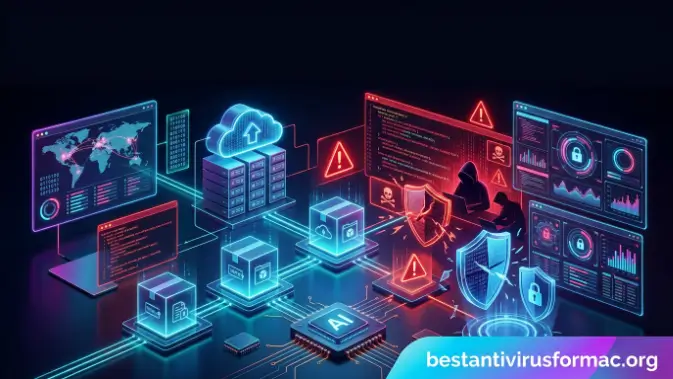
Recent software supply chain attack news today highlights how cybercriminals are increasingly targeting trusted software components, development platforms, and distribution channels. Rather than attacking organizations directly, threat actors exploit vulnerabilities within the software supply chain to infect multiple victims simultaneously. From malicious open-source packages to compromised developer accounts and software updates, these attacks continue to evolve in sophistication and scale, posing significant risks to businesses worldwide.
Open-Source Package Compromises
One of the most common trends in recent software supply chain attack news today involves compromised open-source software packages. Modern applications often depend on hundreds of external libraries, making open-source repositories attractive targets for attackers. Cybercriminals frequently upload malicious packages disguised as legitimate tools or compromise existing packages to inject harmful code.
Once developers install these infected packages, attackers can gain access to sensitive information, deploy malware, or establish persistent access within corporate environments. Because open-source ecosystems are built on trust and collaboration, malicious packages can spread quickly before being detected and removed.
npm and GitHub Repository Attacks
The npm ecosystem and GitHub repositories remain prime targets for supply chain attackers. Threat actors often publish malicious packages that closely resemble legitimate ones, a tactic known as typosquatting. Developers who accidentally download these packages may unknowingly introduce malware into their applications.
GitHub attacks have also increased in recent years. Attackers frequently target repository maintainers through phishing campaigns, credential theft, or social engineering techniques. Once they gain access to a repository, they can modify source code, insert backdoors, or distribute compromised software updates to thousands of users. These incidents demonstrate how a single compromised repository can impact an entire development community.
CI/CD Pipeline Exploitation
Continuous Integration and Continuous Deployment (CI/CD) pipelines have become essential components of modern software development. However, their privileged access to source code, credentials, and deployment environments makes them attractive targets for cybercriminals.
Attackers who successfully compromise a CI/CD pipeline can manipulate software builds, inject malicious code, steal sensitive secrets, and distribute infected applications to end users. Because CI/CD systems automate software delivery, malicious changes can spread rapidly across multiple environments before security teams detect the intrusion. Securing these pipelines has become a critical priority for organizations seeking stronger software supply chain security.
Developer Credential Theft Campaigns
Many recent supply chain attacks begin with the theft of developer credentials. Cybercriminals use phishing emails, malware, fake login pages, and social engineering tactics to steal access credentials from developers and repository maintainers.
Once attackers gain access to developer accounts, they can publish malicious packages, modify repositories, and compromise software releases without raising immediate suspicion. Since developer accounts often have elevated privileges, a single compromised credential can provide attackers with extensive control over software development environments. This makes strong authentication and account protection essential for reducing supply chain risks.
Malware Distributed Through Trusted Software Updates
One of the most damaging forms of supply chain attacks involves malware hidden inside legitimate software updates. Users generally trust updates from established vendors, making them an effective delivery mechanism for malicious code.
In these attacks, cybercriminals compromise a vendor’s development or distribution environment and insert malware into software updates before they are released. When customers install the update, the malware is deployed alongside legitimate software, often bypassing traditional security controls. Because the update appears authentic, organizations may not discover the compromise until significant damage has already occurred. This attack method continues to be one of the most serious threats within the modern cybersecurity landscape.
Why Software Supply Chain Attacks Are Increasing
The rise in software supply chain attacks is largely driven by the increasing complexity of modern software development. Organizations rely heavily on third-party dependencies, open-source software, cloud platforms, and external development tools to build and deploy applications faster. While these technologies improve efficiency and innovation, they also create new opportunities for attackers to exploit trusted components within the software supply chain. By compromising a single dependency, vendor, or development tool, cybercriminals can potentially impact thousands of organizations simultaneously, making supply chain attacks one of the most significant and rapidly growing threats in today’s cybersecurity landscape.
Heavy Dependence on Open-Source Software
Modern applications rely heavily on open-source software because it allows developers to accelerate development, reduce costs, and leverage community-driven innovation. Instead of building every feature from scratch, development teams can integrate existing libraries, frameworks, and packages to speed up software delivery. This approach has become a standard practice across nearly every industry, from startups to large enterprises.
However, this dependence also introduces security risks. Many organizations use hundreds or even thousands of software dependencies, making it difficult to verify the security of every component. If attackers compromise a widely used package or inject malicious code into an open-source project, the impact can spread rapidly across multiple organizations. As a result, cybercriminals increasingly target open-source ecosystems as an effective method for launching large-scale supply chain attacks.
Expanding Development Toolchains
Software development today involves far more than writing code. Organizations rely on a wide range of tools and services to support the entire development lifecycle, including source code repositories, package managers, testing frameworks, cloud platforms, and CI/CD pipelines. These tools help development teams automate processes and release software more efficiently.
While these technologies improve productivity, they also increase complexity. Every additional tool represents another potential attack vector that security teams must protect. If attackers exploit a vulnerability in a build server, repository, or deployment platform, they may gain access to sensitive code, credentials, or production environments. As development toolchains continue to grow, maintaining comprehensive software supply chain security becomes increasingly challenging.
AI-Assisted Cybercrime
Artificial intelligence is rapidly changing the cybersecurity landscape, and cybercriminals are beginning to use AI-powered tools to enhance their attacks. AI can help attackers automate repetitive tasks, identify vulnerabilities more quickly, and create highly convincing phishing campaigns designed to steal credentials from developers and administrators.
In addition, AI can assist threat actors in generating malicious code, analyzing large datasets, and identifying weaknesses within software ecosystems. These capabilities allow attackers to operate more efficiently and launch sophisticated attacks at a larger scale than ever before. As AI technology becomes more accessible, organizations can expect increasingly advanced cyber threats targeting every stage of the software development process.
Weak Dependency Management Practices
Many organizations struggle to maintain complete visibility into the software dependencies used within their applications. Development teams often add new packages and libraries to accelerate projects, but these components may not always receive proper security reviews or ongoing monitoring. Over time, organizations can accumulate hundreds of dependencies without fully understanding the risks they introduce.
Poor dependency management can result in outdated packages, known vulnerabilities, and even malicious software being incorporated into production environments. Without a structured process for tracking and evaluating dependencies, organizations may unknowingly expose themselves to supply chain attacks. Implementing regular dependency audits, vulnerability scanning, and strong governance practices can significantly reduce these risks and strengthen overall software supply chain security.
Common Attack Techniques Used Today
Modern software supply chain attacks use a variety of techniques to compromise trusted software components and development environments. Rather than targeting organizations directly, attackers exploit weaknesses within software dependencies, repositories, developer accounts, and deployment pipelines to distribute malicious code. As businesses increasingly rely on open-source software and automated development processes, understanding these attack methods is essential for improving software supply chain security and reducing cyber risk.
Dependency Confusion Attacks
Dependency confusion is a technique in which attackers create malicious packages using names that match or closely resemble private internal packages used by an organization. When development systems attempt to download dependencies, they may mistakenly retrieve the attacker’s package instead of the legitimate internal version.
Once installed, the malicious package can execute unauthorized code, steal sensitive information, or establish access to internal systems. Because the package appears legitimate and is downloaded through trusted package managers, organizations may not detect the compromise until significant damage has occurred.
Typosquatting Packages
Typosquatting attacks exploit simple typing mistakes made by developers. Cybercriminals publish malicious packages with names that look almost identical to popular and trusted software packages. A developer who accidentally installs the wrong package may unknowingly introduce malware into a project.
These attacks are particularly effective because developers often work quickly and may not carefully verify package names before installation. Once executed, the malicious package can collect credentials, install backdoors, or communicate with attacker-controlled servers without raising immediate suspicion.
Malicious Package Injection
In a malicious package injection attack, threat actors compromise an existing software package and insert harmful code into a legitimate update. Since users trust the original package, they are likely to install the updated version without questioning its integrity.
This method allows attackers to distribute malware through established software channels and reach a large number of victims simultaneously. Depending on the attacker’s objective, the injected code may steal data, monitor user activity, deploy ransomware, or provide long-term access to compromised systems.
Compromised Developer Accounts
Developer accounts often have elevated privileges and direct access to source code repositories, package managers, and deployment environments. Because of this, cybercriminals frequently target developers through phishing campaigns, credential theft malware, and social engineering attacks.
After gaining access to a developer account, attackers can modify source code, publish malicious software updates, or compromise software releases. Since these actions appear to originate from a trusted user, malicious activity may remain undetected for an extended period, increasing the potential impact of the attack.
CI/CD Pipeline Abuse
Continuous Integration and Continuous Deployment (CI/CD) pipelines play a critical role in modern software development by automating testing, building, and deployment processes. However, their extensive permissions and access to sensitive resources make them valuable targets for attackers.
If a CI/CD pipeline is compromised, attackers can manipulate software builds, inject malicious code into applications, steal credentials, and distribute infected software to customers. Because automated pipelines can rapidly deploy changes across multiple environments, a single compromise can result in a large-scale security incident.
Supply Chain Malware Delivery
Supply chain malware delivery occurs when attackers distribute malicious software through trusted vendors, software providers, or update mechanisms. Instead of infecting victims directly, threat actors compromise a trusted source and use it to spread malware to downstream users.
This technique is particularly dangerous because organizations often trust software updates and vendor communications. As a result, malicious code delivered through legitimate channels can bypass traditional security controls and remain active within systems before detection.
Common Software Supply Chain Attack Techniques
| Attack Technique | Description | Impact |
| Dependency Confusion | Fake package published using a trusted name | Remote code execution and unauthorized access |
| Typosquatting | Malicious package with a similar package name | Malware installation and credential theft |
| Malicious Injection | Harmful code added to a legitimate package update | Data theft and system compromise |
| Compromised Developer Accounts | Stolen developer credentials used for malicious actions | Unauthorized code modifications |
| CI/CD Pipeline Abuse | Attackers compromise automated build and deployment systems | Large-scale software breaches |
| Supply Chain Malware Delivery | Malware distributed through trusted software channels | Widespr |
Industries Most at Risk
The impact of software supply chain attacks extends across nearly every industry, but some sectors face significantly greater risks due to their dependence on complex software ecosystems, third-party vendors, cloud services, and open-source software. Organizations operating in these industries often manage sensitive information, critical infrastructure, or services that millions of people rely on daily. As software development becomes increasingly interconnected, attackers continue to target sectors where a single compromise can produce widespread disruption, financial losses, and reputational damage. Understanding which industries are most vulnerable helps organizations prioritize investments in software supply chain security and strengthen their overall cybersecurity posture.
Technology Companies
Technology companies are among the primary targets of software supply chain attacks because they develop and distribute software that is used by businesses and consumers worldwide. Their development environments often include numerous software dependencies, open-source libraries, cloud platforms, and third-party tools, creating multiple opportunities for attackers to infiltrate trusted systems. Since software companies frequently release updates and patches, cybercriminals view them as attractive targets for distributing malicious code to a large user base.
A successful attack against a technology company can have far-reaching consequences beyond the organization itself. If attackers compromise a widely used application, software package, or development platform, thousands of customers may unknowingly install infected software. This multiplier effect makes technology firms particularly valuable targets for threat actors seeking maximum impact from a single compromise.
Financial Services
Financial institutions rely heavily on digital technologies to manage customer accounts, process transactions, support online banking, and maintain operational efficiency. These organizations often integrate numerous external applications, vendors, and third-party software solutions into their infrastructure, increasing their exposure to supply chain risks. Because financial systems operate continuously and handle highly sensitive information, even a minor compromise can have significant consequences.
Cybercriminals target financial organizations because they provide access to valuable financial data and assets. A supply chain attack affecting a bank, payment processor, or financial technology provider can result in data breaches, fraud, service outages, and regulatory penalties. Additionally, disruptions to financial systems can affect millions of customers and create broader economic impacts, making this sector one of the most attractive targets for sophisticated attackers.
Government Agencies
Government agencies depend on a large network of software vendors, contractors, cloud providers, and technology partners to support public services and national operations. This reliance on external providers creates a complex software supply chain that can be difficult to monitor and secure effectively. Since government systems often contain sensitive information and support critical infrastructure, attackers frequently view them as high-value targets.
A successful supply chain attack against a government agency can have consequences that extend beyond data theft. Threat actors may gain access to confidential records, disrupt public services, or compromise systems related to national security. Because of these risks, governments around the world are increasingly implementing stricter cybersecurity standards and software security requirements for vendors and contractors.
Healthcare Organizations
Healthcare organizations rely on a wide range of software systems to manage patient records, schedule appointments, process billing, and operate medical equipment. Many healthcare providers use applications from multiple vendors, creating an interconnected ecosystem of software dependencies that can be exploited through supply chain attacks. This complexity often makes it challenging to maintain complete visibility into all software components being used.
The consequences of a successful attack in the healthcare sector can be particularly severe because disruptions may directly affect patient care. Compromised systems can delay medical procedures, expose sensitive health information, and interrupt essential healthcare services. As healthcare providers continue to adopt digital technologies and cloud-based solutions, strengthening software supply chain security has become a critical priority.
SaaS Providers
Software-as-a-Service (SaaS) providers play a central role in modern business operations by delivering cloud-based applications to organizations around the world. These companies depend on extensive networks of APIs, cloud infrastructure, development tools, and third-party integrations to provide reliable services. While this model offers scalability and convenience, it also increases exposure to supply chain threats.
A compromise affecting a SaaS provider can rapidly impact thousands of customers because all users rely on the same underlying platform. Attackers who gain access to a provider’s software environment may be able to distribute malicious updates, access customer data, or disrupt services on a large scale. As businesses continue to adopt cloud-based applications, SaaS providers remain one of the most significant targets within the evolving cyber threat landscape.
Men heading ko 1 para ma detail ma explain karo or nichy jo subheadings hai us ko 2 2 para ma detail ma explain karo, but jin heading ma bullet point used hogy un ma used kro thora sa explain ka sat otherwise ni OK. The focus keyword must be bold, and LSI keywords are italic.
How Organizations Can Defend Against Software Supply Chain Attacks
As software supply chain attacks continue to grow in frequency and sophistication, organizations must adopt a proactive approach to cybersecurity. Modern software development relies heavily on third-party dependencies, cloud services, open-source software, and automated deployment processes, creating numerous opportunities for attackers to exploit trusted components. While it may be impossible to eliminate every risk, implementing strong security controls throughout the software development lifecycle can significantly reduce the likelihood and impact of supply chain attacks. By improving visibility, strengthening access controls, and continuously monitoring software ecosystems, organizations can build a more resilient software supply chain security framework.
Implement a Software Bill of Materials (SBOM)
A Software Bill of Materials (SBOM) is a detailed inventory that identifies all software components, libraries, and dependencies used within an application. It provides organizations with greater visibility into their software ecosystem, helping security teams understand exactly which components are present and where potential vulnerabilities may exist. As software environments become more complex, maintaining an accurate SBOM is becoming an essential cybersecurity practice.
An SBOM also enables organizations to respond more effectively when new vulnerabilities are discovered. Instead of spending valuable time identifying affected systems, security teams can quickly determine whether vulnerable components exist within their applications. This improves incident response capabilities and helps organizations reduce exposure to emerging threats within the software supply chain.
Secure CI/CD Pipelines
Continuous Integration and Continuous Deployment (CI/CD) pipelines play a critical role in modern software development by automating testing, building, and deployment processes. Because these systems often have access to source code, credentials, and production environments, they represent highly valuable targets for cybercriminals. A compromised CI/CD pipeline can allow attackers to inject malicious code directly into software releases.
Organizations should implement strong security controls to protect these environments. Important measures include:
- Restricting administrative privileges
- Encrypting sensitive credentials and secrets
- Monitoring pipeline activity continuously
- Conducting regular security audits
- Applying strict access controls
By securing CI/CD infrastructure, organizations can reduce the risk of unauthorized changes and malicious software distribution.
Verify Third-Party Dependencies
Modern applications often depend on numerous third-party software components and open-source libraries. While these dependencies accelerate development, they can also introduce hidden vulnerabilities and security risks if they are not properly evaluated before adoption.
Organizations should establish a formal process for reviewing and approving software dependencies. This includes assessing the reputation of maintainers, evaluating update history, reviewing security records, and verifying package authenticity. Regular reviews help ensure that only trusted and well-maintained components become part of the software environment.
Use Dependency Scanning Tools
Dependency scanning tools help organizations identify vulnerabilities, outdated packages, and potentially malicious software components within their applications. These tools continuously analyze software dependencies and alert security teams when risks are detected, allowing organizations to address issues before attackers can exploit them.
Automated scanning is particularly valuable because modern applications often contain hundreds of dependencies that are difficult to monitor manually. By integrating dependency scanning into development workflows, organizations can improve visibility into their software dependencies and maintain stronger security throughout the development lifecycle.
Enforce Multi-Factor Authentication
Developer accounts, repository maintainers, and system administrators often possess elevated privileges that make them attractive targets for attackers. Stolen credentials remain one of the most common entry points for supply chain attacks, making strong authentication controls essential.
Implementing Multi-Factor Authentication (MFA) adds an additional layer of security beyond passwords. Even if an attacker successfully obtains login credentials, MFA can help prevent unauthorized access by requiring an additional verification step. Enforcing MFA across development platforms, repositories, and administrative systems significantly reduces the risk of account compromise.
Monitor Developer Environments
Developer environments frequently contain source code, credentials, configuration files, and other sensitive assets that can be valuable to attackers. Continuous monitoring helps organizations identify suspicious activity before it leads to a major security incident.
Effective monitoring may include:
- Tracking repository changes
- Monitoring login activity
- Detecting unusual package installations
- Reviewing privilege escalations
- Identifying unauthorized code modifications
Early detection enables security teams to investigate threats quickly and minimize potential damage to the software supply chain.
Adopt Zero Trust Security
The Zero Trust Security model is based on the principle that no user, device, or application should be trusted automatically, regardless of whether it operates inside or outside the network. Instead, every access request must be verified continuously using identity, device health, and contextual information.
By adopting a Zero Trust approach, organizations can limit the ability of attackers to move laterally after gaining access to a system. Key principles include least-privilege access, continuous verification, network segmentation, and strict identity management. These practices help contain potential compromises and strengthen overall software supply chain security against modern cyber threats.
Software Supply Chain Security Checklist
Organizations can significantly reduce the risk of software supply chain attacks by following a structured security checklist. These best practices help strengthen software supply chain security, improve visibility into software dependencies, and reduce opportunities for attackers to exploit trusted development environments. Regularly reviewing and implementing these measures can help organizations identify vulnerabilities early and maintain a stronger cybersecurity posture.
- Maintain an SBOM – Create and regularly update a Software Bill of Materials (SBOM) to keep track of all software components, libraries, and dependencies used across applications. This visibility helps security teams quickly identify affected systems when new vulnerabilities emerge.
- Scan Dependencies Regularly – Use automated dependency scanning tools to detect vulnerable, outdated, or malicious packages before they become security risks. Continuous monitoring helps prevent attackers from exploiting known weaknesses.
- Enable MFA – Implement Multi-Factor Authentication (MFA) for developers, administrators, and repository maintainers. MFA adds an extra layer of protection and reduces the likelihood of account compromise through stolen credentials.
- Monitor Repositories – Continuously monitor source code repositories for unusual activity, unauthorized code changes, suspicious commits, or unexpected access attempts. Early detection can prevent attackers from introducing malicious code.
- Audit Third-Party Vendors – Regularly assess the security practices of vendors, suppliers, and service providers that contribute to the software supply chain. Strong vendor security reduces the risk of indirect compromises.
- Secure Build Pipelines – Protect CI/CD pipelines by restricting access, securing credentials, monitoring build activities, and conducting periodic security assessments to prevent unauthorized modifications.
- Verify Package Integrity – Validate software packages and updates using digital signatures, checksums, and code-signing mechanisms to ensure software has not been tampered with before deployment.
- Apply Least-Privilege Access – Grant users and systems only the permissions necessary to perform their tasks. Limiting privileges reduces the potential impact of compromised accounts or insider threats.
- Conduct Security Reviews – Perform regular code reviews, vulnerability assessments, and security audits to identify weaknesses before attackers can exploit them. Ongoing reviews help maintain a secure development environment.
- Train Development Teams – Provide developers with cybersecurity awareness training focused on secure coding practices, phishing prevention, dependency management, and supply chain security risks. Educated teams are often the first line of defense against modern cyber threats.
Future Outlook for Software Supply Chain Security
As software supply chain attacks continue to evolve, organizations, governments, and technology providers are investing heavily in new security strategies to protect software ecosystems. The future of software supply chain security will focus on improving visibility, strengthening software integrity, and reducing the risks associated with third-party dependencies and open-source software. Emerging technologies, stricter regulations, and improved development practices are expected to play a crucial role in helping organizations defend against increasingly sophisticated cyber threats. While attackers will continue to adapt their tactics, advancements in security frameworks and monitoring capabilities will help organizations build more resilient software environments.
AI-Powered Threat Detection
Artificial intelligence is expected to become one of the most important tools in defending against modern supply chain threats. As software ecosystems grow more complex, traditional security methods often struggle to identify suspicious activity across thousands of repositories, dependencies, and development environments. AI-powered security solutions can analyze large volumes of data in real time, helping organizations detect unusual behavior that may indicate a compromise.
In the future, AI systems will likely play a larger role in identifying malicious code, detecting abnormal developer activity, and predicting potential attack patterns before they cause harm. By automating threat detection and reducing response times, organizations can improve their ability to identify and contain attacks within the software development lifecycle before they spread across the broader software supply chain.
Stronger Open-Source Governance
The widespread use of open-source software has transformed software development, but it has also introduced new security challenges. As a result, the technology community is placing greater emphasis on improving governance, transparency, and accountability within open-source projects. Software maintainers and repository operators are increasingly implementing stricter review processes to reduce the risk of malicious code entering trusted ecosystems.
Future governance initiatives are expected to include stronger contributor verification, enhanced code review procedures, improved package validation, and better vulnerability reporting mechanisms. These measures will help increase trust in open-source projects while reducing opportunities for attackers to exploit widely used software components.
Emerging Security Regulations
Governments and regulatory agencies around the world are recognizing the growing risks associated with software supply chain attacks. As a result, new cybersecurity regulations and compliance requirements are being introduced to improve software security standards and increase accountability among vendors and service providers.
Future regulations are expected to require greater transparency regarding software components, security practices, and vulnerability management processes. Organizations may also face stricter reporting obligations and enhanced compliance requirements related to software security. These regulatory developments will encourage businesses to adopt stronger risk management practices and improve the overall security of digital ecosystems.
New Software Integrity Standards
Ensuring software integrity is becoming a top priority for organizations seeking to protect their applications from unauthorized modifications and malicious code. New standards and frameworks are being developed to help verify that software components remain authentic throughout the development and distribution process.
Future software integrity initiatives are likely to focus on several key areas:
- Enhanced code-signing practices
- Wider adoption of Software Bills of Materials (SBOMs)
- Stronger dependency verification processes
- Continuous security monitoring
- Improved supply chain transparency
By implementing these standards, organizations can gain greater confidence in the software they develop, distribute, and deploy. As cybersecurity threats continue to evolve, software integrity will remain a critical component of effective software supply chain security strategies.
Frequently Asked Questions
How can small businesses protect themselves from software supply chain attacks?
Small businesses can reduce risk by regularly updating software, monitoring third-party vendors, enabling multi-factor authentication, and using security tools that identify vulnerable dependencies before they are exploited.
Are software supply chain attacks difficult to detect?
Yes, these attacks are often difficult to identify because they originate from trusted software components or vendors, allowing malicious code to bypass traditional security controls and remain hidden for extended periods.
Why do attackers prefer targeting software vendors instead of individual companies?
Compromising a software vendor allows attackers to reach multiple organizations through a single attack, making supply chain attacks more efficient and capable of causing widespread impact.
What role do developers play in preventing supply chain attacks?
Developers help prevent attacks by verifying package sources, reviewing code changes, following secure coding practices, and avoiding the use of untrusted or outdated software dependencies.
How will software supply chain security evolve in the future?
Future security efforts will focus on greater software transparency, AI-driven threat detection, stronger dependency management, and enhanced verification processes to protect organizations from increasingly sophisticated cyber threats.
Conclusion
Software supply chain attacks have become one of the biggest cybersecurity threats facing organizations today. As businesses continue to rely on open-source software, cloud platforms, and third-party dependencies, attackers are finding new ways to exploit trusted software components and development processes. A single compromised package, vendor, or software update can affect thousands of organizations, leading to data breaches, financial losses, operational disruptions, and reputational damage. This growing threat highlights the importance of understanding how supply chain attacks work and why they continue to increase across different industries.
Protecting against software supply chain attacks requires a proactive and continuous security approach. Organizations should focus on strengthening software supply chain security by monitoring dependencies, securing development environments, implementing strong access controls, and regularly assessing third-party risks. Technologies such as AI-powered threat detection, SBOMs, and Zero Trust security can help reduce vulnerabilities and improve overall resilience. As cyber threats continue to evolve, businesses that prioritize software security and maintain strong cybersecurity practices will be better prepared to defend against future attacks and protect their critical systems and data.