

Welcome to bestantivirusformac. In today’s digital world, IT security plays a critical role in protecting computer systems, networks, applications, and sensitive data from cyber threats. As businesses and individuals increasingly rely on technology, the need for strong security measures has become more important than ever. Effective cybersecurity, data protection, and digital security practices help prevent unauthorized access, data breaches, and financial losses while ensuring the safe operation of digital assets.
The importance of IT security goes beyond protecting data. It helps organizations maintain customer trust, comply with regulations, and ensure business continuity in the face of evolving threats. By implementing robust network security, information security, and risk management strategies, businesses can reduce vulnerabilities and stay protected against modern cyberattacks.
What Is IT Security?
In today’s digital world, IT security plays a crucial role in protecting systems, networks, applications, and sensitive data from cyber threats. As businesses rely more on technology for daily operations and data management, the need for strong security measures continues to grow. IT security includes the policies, technologies, and practices used to prevent unauthorized access, data breaches, and system disruptions. By implementing effective cybersecurity, network security, and data protection strategies, organizations can reduce risks and maintain a secure digital environment.
Definition of IT Security
IT security refers to the practice of protecting computer systems, networks, software, and digital information from unauthorized access, misuse, alteration, or destruction. It involves a combination of technical solutions, security policies, and operational procedures that work together to safeguard critical digital assets. The primary goal is to ensure that only authorized individuals can access sensitive resources while preventing malicious actors from exploiting vulnerabilities.
In today’s interconnected world, organizations rely on multiple technologies such as cloud platforms, mobile devices, and enterprise applications. As a result, IT security extends beyond traditional network protection and includes securing endpoints, applications, databases, and cloud environments. Effective information security measures help organizations reduce risks, maintain trust, and ensure the safe handling of business and customer data.
The Main Objectives of IT Security
The primary objectives of IT security are centered on protecting digital assets, minimizing risks, and ensuring business continuity. Organizations implement security controls to prevent unauthorized access, detect potential threats, and respond effectively to security incidents. By securing systems and information, businesses can maintain operational stability while protecting valuable resources from cybercriminals.
Another important objective of IT security is to support compliance with industry regulations and security standards. Organizations must often adhere to legal requirements regarding data privacy and protection. Through effective risk management, digital security, and monitoring practices, businesses can reduce vulnerabilities, strengthen their defenses, and create a safer technology environment for employees, customers, and stakeholders.
The CIA Triad (Confidentiality, Integrity, Availability)
The CIA Triad serves as the core framework of IT security and provides the guiding principles for protecting information and technology systems. These three principles help organizations establish security strategies that ensure data remains secure, accurate, and accessible. Every modern security program is designed with these foundational concepts in mind because they address the most critical aspects of protecting digital assets.
The three components of the CIA Triad include:
- Confidentiality ensures that sensitive information is only accessible to authorized users. This helps prevent data leaks, unauthorized disclosure, and privacy violations.
- Integrity focuses on maintaining the accuracy and reliability of information by preventing unauthorized changes or tampering.
- Availability ensures that systems, applications, and data remain accessible whenever legitimate users need them, minimizing disruptions caused by failures or cyberattacks.
Together, these principles form the backbone of effective information security and help organizations maintain trust, security, and operational efficiency.
IT Security vs Cybersecurity vs Information Security
Although IT security, cybersecurity, and information security are closely related, they are not exactly the same. IT security primarily focuses on protecting an organization’s technology infrastructure, including hardware, software, servers, databases, and networks. Its goal is to ensure that technology resources remain secure from unauthorized access, misuse, and technical vulnerabilities.
Cybersecurity specifically deals with defending systems and data against internet-based threats such as malware, ransomware, phishing attacks, and hacking attempts. In contrast, information security has a broader scope and focuses on protecting information regardless of its format, whether digital, physical, or paper-based. Understanding the differences between these disciplines allows organizations to build a comprehensive security strategy that addresses both technological risks and the protection of sensitive information.
Why IT Security Is Important
In an increasingly connected world, IT security has become essential for protecting organizations from the growing number of cyber threats targeting digital systems and sensitive information. Businesses depend on technology for communication, data storage, financial transactions, and daily operations, making security a crucial part of long-term success. A lack of proper security measures can expose organizations to data breaches, financial losses, operational disruptions, and reputational damage. By implementing strong IT security practices, businesses can safeguard critical assets, reduce risks, and create a secure environment that supports growth, productivity, and customer confidence. Effective cybersecurity, data protection, and risk management strategies help organizations stay resilient against evolving threats while ensuring the smooth operation of their digital infrastructure.
Protecting Sensitive Business Data
One of the most important functions of IT security is protecting sensitive business data from unauthorized access and cybercriminal activities. Organizations store large amounts of valuable information, including customer records, financial reports, intellectual property, employee details, and confidential business documents. This data is often a primary target for attackers because it can be sold, misused, or exploited for financial gain. Without proper protection, businesses may suffer significant losses and legal consequences following a security breach.
To protect sensitive information, organizations implement various security measures such as encryption, access controls, authentication systems, and continuous monitoring. These technologies help ensure that only authorized individuals can access critical data while preventing unauthorized modifications or theft. Strong information security and data protection practices not only reduce the risk of cyberattacks but also help businesses maintain the confidentiality and integrity of their most valuable digital assets.
Preventing Financial Losses
Cyber incidents can result in substantial financial losses for organizations regardless of their size or industry. Data breaches often require expensive recovery efforts, legal assistance, regulatory compliance investigations, and compensation for affected customers. In many cases, businesses must also invest additional resources to restore systems and strengthen security after an attack has occurred. These unexpected expenses can place significant pressure on an organization’s financial stability.
Implementing effective IT security measures helps reduce the likelihood of costly cyber incidents by identifying vulnerabilities before they can be exploited. Security monitoring, threat detection systems, and proactive risk management strategies enable organizations to respond quickly to potential threats. By preventing attacks and minimizing their impact, businesses can protect their financial resources and avoid the long-term costs associated with security breaches.
Maintaining Business Continuity
Modern organizations rely heavily on technology to support daily operations, customer service, and communication. When systems become unavailable due to cyberattacks, hardware failures, or security incidents, productivity can decline significantly. Extended downtime may result in missed business opportunities, delayed services, and reduced customer satisfaction, all of which can negatively affect organizational performance.
Strong IT security helps ensure business continuity by protecting critical systems and minimizing disruptions. Security measures such as backup solutions, disaster recovery plans, and network security controls allow organizations to recover quickly from unexpected incidents. By preparing for potential threats and maintaining resilient infrastructure, businesses can continue operating efficiently even during challenging situations.
Building Customer Trust
Customer trust is one of the most valuable assets any organization can possess. People expect businesses to protect their personal information and handle sensitive data responsibly. When a company experiences a security breach, customers may lose confidence in its ability to safeguard their information, leading to damaged relationships and reduced loyalty. Rebuilding trust after such incidents can be both difficult and time-consuming.
Effective IT security demonstrates a company’s commitment to protecting customer data and maintaining privacy. By implementing strong digital security measures and maintaining transparent security practices, organizations can reassure customers that their information is safe. This trust not only strengthens customer relationships but also contributes to a positive brand reputation and long-term business success.
Meeting Regulatory Compliance Requirements
Many industries operate under strict regulations that require organizations to protect sensitive information and maintain specific security standards. Regulatory frameworks are designed to ensure that businesses handle customer and organizational data responsibly while minimizing security risks. Failure to comply with these requirements can result in legal penalties, financial fines, and reputational damage.
A comprehensive IT security strategy helps organizations meet compliance obligations through proper security controls, documentation, and monitoring processes. Implementing effective information security policies, access management systems, and regular security assessments allows businesses to demonstrate compliance while reducing operational risks. Maintaining regulatory compliance not only protects organizations from penalties but also enhances credibility with customers, partners, and stakeholders.
Read Also: bella bodhi
Common IT Security Threats
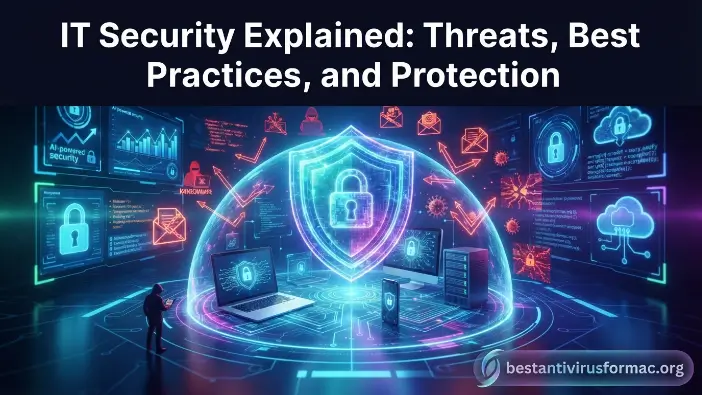
Modern organizations face a constantly evolving threat landscape that puts their systems, networks, and sensitive information at risk. As technology becomes more integrated into business operations, cybercriminals continue to develop advanced methods to exploit vulnerabilities and gain unauthorized access to valuable data. These threats can lead to financial losses, operational disruptions, reputational damage, and legal consequences if not addressed properly. Understanding common threats is a fundamental aspect of IT security because it enables organizations to identify risks, implement appropriate defenses, and strengthen their overall security posture. By combining effective cybersecurity, network security, and risk management practices, businesses can better protect themselves against both current and emerging threats.
Malware Attacks
Malware attacks remain one of the most significant challenges in IT security because they can affect virtually any device, network, or application. Malware is a broad term used to describe malicious software designed to damage systems, steal information, disrupt operations, or provide unauthorized access to attackers. Cybercriminals often distribute malware through phishing emails, compromised websites, infected downloads, and software vulnerabilities. Once a system becomes infected, malware can spread rapidly and cause extensive damage across an organization’s infrastructure.
The impact of malware can vary depending on its type and purpose. Some forms of malware are designed to steal confidential information, while others focus on disrupting business operations or providing remote access to attackers. To reduce these risks, organizations must implement strong IT security controls, including endpoint protection, regular software updates, employee awareness training, and continuous monitoring. Understanding the different types of malware helps businesses create more effective data protection and information security strategies.
Viruses
A computer virus is one of the oldest and most well-known forms of malware. It attaches itself to legitimate files or software programs and spreads when users execute the infected file. Once activated, a virus can modify data, corrupt files, slow system performance, or cause applications to malfunction. In some cases, viruses are designed to steal information or create additional vulnerabilities that attackers can exploit.
Viruses often spread through email attachments, infected downloads, and removable storage devices. Because they rely on user interaction to activate, educating employees about safe computing practices is an important part of preventing infections. Strong IT security measures such as antivirus software, regular system scans, and controlled file-sharing practices can significantly reduce the risk of virus-related incidents.
Worms
Worms are a particularly dangerous type of malware because they can spread automatically across networks without requiring user action. Unlike viruses, worms do not need to attach themselves to other programs or files. Instead, they exploit weaknesses in operating systems, software applications, or network configurations to replicate themselves and infect additional devices.
Because worms can spread rapidly, they often cause widespread disruptions by consuming network bandwidth and system resources. Large-scale worm outbreaks have historically affected thousands of organizations within a short period of time. Effective network security measures, including vulnerability management, timely patching, and network segmentation, play a critical role in preventing worms from spreading throughout an organization’s infrastructure.
Trojans
Trojans are deceptive forms of malware that disguise themselves as legitimate software or trusted files. Users are often tricked into downloading and installing a Trojan because it appears harmless or useful. Once installed, the malware performs hidden malicious activities, such as stealing sensitive information, creating unauthorized access points, or downloading additional malicious software.
The success of Trojan attacks largely depends on social manipulation and user trust. Attackers frequently distribute Trojans through fake software updates, pirated applications, and phishing campaigns. Organizations can strengthen their IT security posture by educating users about software verification, restricting unauthorized downloads, and implementing advanced endpoint protection solutions to detect suspicious activities before they cause harm.
Spyware
Spyware is designed to secretly monitor user activity and collect sensitive information without the user’s knowledge or consent. This type of malware may record keystrokes, track browsing behavior, capture login credentials, or collect financial information. Because spyware operates discreetly, many victims remain unaware that their information is being compromised.
The data collected through spyware is often used for identity theft, financial fraud, or unauthorized surveillance. Organizations can reduce the risk of spyware infections by using reputable security software, enforcing secure browsing practices, and conducting regular security assessments. Strong information security controls help detect unusual behavior and protect sensitive information from unauthorized monitoring.
Phishing Attacks
Phishing attacks are among the most common threats facing modern organizations and individuals. These attacks involve fraudulent communications that appear to come from trusted sources such as banks, service providers, or colleagues. The goal is to trick recipients into revealing sensitive information, including passwords, financial details, or account credentials. Phishing campaigns often use convincing language and realistic branding to increase their chances of success.
As attackers become more sophisticated, phishing emails and messages are becoming increasingly difficult to identify. Some campaigns even target specific individuals using personalized information, making them appear highly legitimate. Organizations can improve IT security by implementing employee awareness training, email security solutions, and verification procedures that help users recognize and report suspicious communications before falling victim to these attacks.
Ransomware
Ransomware has become one of the most financially damaging cyber threats in recent years. This form of malware encrypts files and systems, preventing organizations from accessing critical information until a ransom payment is made. Attackers often threaten to permanently delete data or publicly release sensitive information if their demands are not met. As a result, ransomware attacks can cause severe operational and financial consequences.
Organizations that experience ransomware attacks often face significant downtime, recovery costs, and reputational damage. Strong IT security measures such as regular data backups, endpoint protection, patch management, and employee training are essential for reducing the risk of infection. A well-prepared incident response plan can also help organizations recover more quickly and minimize the impact of an attack.
Social Engineering
Social engineering attacks focus on manipulating people rather than exploiting technical vulnerabilities. Attackers use psychological tactics such as urgency, fear, trust, or curiosity to persuade individuals to reveal confidential information or perform actions that compromise security. Because these attacks target human behavior, even organizations with advanced security technologies can become vulnerable if employees are not adequately trained.
Successful social engineering attacks often lead to unauthorized access, financial fraud, or data breaches. Organizations must prioritize security awareness programs that teach employees how to identify suspicious requests and verify sensitive transactions. Effective risk management and ongoing training help reduce the likelihood of employees becoming targets of manipulation.
Insider Threats
Insider threats occur when individuals within an organization misuse their authorized access to systems, networks, or data. These threats may be intentional, such as data theft or sabotage, or unintentional, resulting from negligence, poor security practices, or human error. Because insiders already possess legitimate access privileges, detecting these threats can be particularly challenging.
Organizations must implement strong monitoring and access control mechanisms to minimize insider risks. Limiting user permissions, monitoring system activity, and conducting regular security reviews can significantly improve IT security. By following the principle of least privilege, businesses ensure that employees only have access to the resources necessary for their responsibilities.
Distributed Denial-of-Service (DDoS) Attacks
A Distributed Denial-of-Service (DDoS) attack occurs when attackers overwhelm a server, website, or network with massive volumes of traffic. The objective is to exhaust system resources and make services unavailable to legitimate users. These attacks can disrupt business operations, negatively impact customer experiences, and result in substantial financial losses.
Modern DDoS attacks often use botnets consisting of thousands of compromised devices to generate traffic. Organizations can defend against these threats through traffic filtering, load balancing, network monitoring, and specialized mitigation services. Strong network security practices enable businesses to identify unusual traffic patterns and respond before significant disruptions occur.
Zero-Day Exploits
Zero-day exploits target previously unknown software vulnerabilities that have not yet been discovered or patched by vendors. Because there is no available fix when attackers begin exploiting the vulnerability, organizations have limited opportunities to defend themselves. This makes zero-day attacks particularly dangerous and difficult to predict.
Protecting against zero-day threats requires a proactive and layered approach to IT security. Continuous monitoring, threat intelligence, behavioral analysis, and rapid incident response capabilities help organizations detect suspicious activities that may indicate exploitation attempts. While completely preventing zero-day attacks may not always be possible, strong cybersecurity practices can significantly reduce their impact and improve overall resilience.
Core Components of IT Security
A comprehensive IT security strategy is built on several interconnected components that work together to protect an organization’s digital infrastructure. Modern businesses rely on networks, applications, cloud platforms, mobile devices, and vast amounts of sensitive data to conduct daily operations. Because cyber threats can target any part of this ecosystem, organizations must implement multiple layers of protection rather than depending on a single security solution. Each component of IT security addresses specific vulnerabilities while contributing to the overall security posture of the organization. By combining strong cybersecurity, network security, data protection, and access management practices, businesses can create a resilient environment capable of defending against evolving threats and minimizing potential risks.
Network Security
Network security is one of the most important components of IT security because it protects the infrastructure that enables communication between devices, systems, and users. Every piece of data that moves across an organization’s network is potentially vulnerable to interception, unauthorized access, or malicious attacks. Without proper network protection, cybercriminals may exploit weaknesses to gain entry into internal systems, steal information, or disrupt operations.
To secure network environments, organizations implement a variety of technologies and controls designed to monitor and regulate traffic. Firewalls, intrusion detection systems, network segmentation, and secure communication protocols help prevent unauthorized access while allowing legitimate users to operate efficiently. Strong network security not only protects sensitive information but also serves as the first line of defense against many cyber threats targeting organizational infrastructure.
Endpoint Security
Endpoint security focuses on protecting devices that connect to an organization’s network, including laptops, desktops, smartphones, tablets, and servers. As businesses increasingly support remote work and mobile access, endpoints have become attractive targets for cybercriminals seeking entry into corporate systems. A single compromised device can provide attackers with access to sensitive information and create opportunities for broader attacks across the network.
Modern endpoint security solutions provide advanced protection through continuous monitoring, malware detection, behavioral analysis, and automated threat response. These technologies help identify suspicious activities and prevent threats before they can spread throughout the organization. Effective endpoint protection strengthens IT security by ensuring that every connected device remains secure, regardless of where employees work or how they access business resources.
Application Security
Application security involves protecting software applications from vulnerabilities that could be exploited by attackers. Businesses depend on applications to manage operations, process transactions, store information, and communicate with customers. If applications contain coding flaws or configuration weaknesses, they can become entry points for cyberattacks that compromise sensitive data and disrupt services.
To reduce security risks, organizations integrate security practices throughout the software development lifecycle. Developers use secure coding techniques, vulnerability assessments, penetration testing, and regular updates to identify and address weaknesses before they can be exploited. Strong application security is a critical part of IT security because secure software helps protect both organizational systems and customer information from evolving cyber threats.
Cloud Security
Cloud security focuses on protecting cloud-based infrastructure, applications, and data from unauthorized access and cyber threats. As more organizations migrate their operations to cloud platforms, securing these environments has become a major priority. While cloud services offer flexibility, scalability, and cost savings, they also introduce unique security challenges that require specialized controls and monitoring.
Organizations use encryption, access controls, identity management systems, and continuous monitoring tools to secure cloud environments. These measures help prevent data breaches, account compromises, and misconfigurations that could expose sensitive information. Effective cloud security enhances IT security by ensuring that data and applications hosted in the cloud remain protected while supporting business agility and innovation.
Data Security
Data security is focused on protecting information from unauthorized access, disclosure, modification, or destruction. Because data is one of the most valuable assets an organization possesses, it is frequently targeted by cybercriminals seeking financial gain or competitive advantages. Sensitive information such as customer records, financial data, intellectual property, and employee details must be safeguarded throughout its lifecycle.
Organizations implement various controls to protect data, including encryption, access restrictions, backup systems, and data classification policies. These measures help ensure that information remains secure whether it is stored, transmitted, or processed. Strong data protection practices are a fundamental aspect of IT security, helping organizations maintain confidentiality, integrity, and availability while reducing the risk of costly data breaches.
Identity and Access Management (IAM)
Identity and Access Management (IAM) is responsible for controlling who can access systems, applications, and information within an organization. As businesses grow and digital environments become more complex, managing user identities and permissions becomes increasingly important. Without proper access controls, unauthorized individuals may gain access to sensitive resources, increasing the likelihood of security incidents.
IAM solutions help organizations verify user identities and ensure that individuals only have access to the resources necessary for their roles. Technologies such as multi-factor authentication, role-based access control, and single sign-on improve both security and user convenience. Effective IAM strengthens IT security by reducing unauthorized access risks and providing greater visibility into how users interact with organizational resources.
Mobile Device Security
Mobile device security focuses on protecting smartphones, tablets, and other portable devices that access business applications and data. The growing use of mobile technology has improved flexibility and productivity, but it has also expanded the attack surface for cybercriminals. Lost devices, insecure applications, and unprotected network connections can all create opportunities for unauthorized access to sensitive information.
To address these risks, organizations implement mobile security measures such as device encryption, mobile device management solutions, secure application controls, and remote wipe capabilities. These tools help ensure that business data remains protected even if a device is lost or compromised. Effective mobile security contributes significantly to IT security by safeguarding information across all devices and supporting secure access in increasingly mobile work environments.
Essential IT Security Technologies
Modern digital environments depend on a wide range of technologies to strengthen IT security and defend against constantly evolving cyber threats. As organizations become more reliant on cloud services, remote work systems, and interconnected applications, the attack surface continues to expand, making security tools more important than ever. These technologies work together to detect vulnerabilities, prevent unauthorized access, and respond to incidents in real time. No single solution is enough on its own, which is why businesses implement layered defenses that combine monitoring, prevention, encryption, and access control. A strong IT security framework relies on these tools to support cybersecurity, network security, and data protection across all systems and devices.
Firewalls
Firewalls are one of the most essential components of IT security because they act as a protective barrier between internal networks and external threats. They monitor incoming and outgoing traffic and decide whether to allow or block data based on predefined security rules. This helps prevent unauthorized access, malicious traffic, and suspicious activities from entering an organization’s systems. Firewalls are often considered the first line of defense in any security infrastructure.
Modern firewalls are more advanced than traditional ones and can analyze traffic at a deeper level. They can identify applications, detect malicious patterns, and even block advanced cyberattacks in real time. By filtering harmful traffic and controlling network access, firewalls significantly strengthen network security and help organizations maintain a secure and stable digital environment.
Antivirus and Anti-Malware Software
Antivirus and anti-malware software play a crucial role in protecting systems from malicious programs that can damage files, steal data, or disrupt operations. These tools continuously scan devices, applications, and files to identify known and unknown threats. Because malware remains one of the most common attack methods, this software is a fundamental part of IT security.
Modern security solutions go beyond simple virus detection and use advanced techniques such as behavioral analysis and real-time monitoring. They can detect suspicious activity even before a threat is fully executed. By removing viruses, ransomware, spyware, and Trojans, these tools strengthen data protection and reduce the risk of system compromise across all endpoints.
Intrusion Detection Systems (IDS)
Intrusion Detection Systems (IDS) are designed to monitor network traffic and system activities for suspicious behavior or policy violations. These systems analyze data patterns and compare them with known threat signatures to identify potential security incidents. When unusual activity is detected, the IDS generates alerts for security teams to investigate further.
IDS does not block attacks but provides early warnings, allowing organizations to respond before damage occurs. This early detection capability improves overall IT security by increasing visibility into network activity and helping organizations identify vulnerabilities. It is a key part of proactive cybersecurity monitoring and threat detection strategies.
Intrusion Prevention Systems (IPS)
Intrusion Prevention Systems (IPS) build on IDS functionality by not only detecting threats but also actively blocking them. When malicious activity is identified, the IPS can automatically stop traffic, close connections, or prevent exploitation attempts in real time. This makes IPS a more proactive defense mechanism in IT security environments.
Because IPS operates in real time, it is highly effective in stopping fast-moving attacks such as malware spread or unauthorized access attempts. Organizations use IPS solutions to strengthen network security and reduce response time during incidents, ensuring that threats are neutralized before they can impact critical systems.
Virtual Private Networks (VPNs)
Virtual Private Networks (VPNs) provide secure and encrypted communication channels over public or untrusted networks. They are especially important for remote workers who need safe access to organizational systems from different locations. A VPN ensures that data transmitted between the user and the network remains private and protected from interception.
By encrypting internet traffic, VPNs prevent hackers from viewing or stealing sensitive information such as login credentials or business data. This makes VPNs a vital component of IT security, supporting secure remote access and strengthening overall data protection in distributed work environments.
Security Information and Event Management (SIEM)
Security Information and Event Management (SIEM) systems collect and analyze security data from multiple sources across an organization’s IT infrastructure. These systems aggregate logs from servers, applications, and network devices to provide a centralized view of security events. This helps security teams detect patterns that may indicate cyber threats or suspicious activity.
SIEM solutions also use advanced analytics and automation to improve incident response and threat detection. They help organizations identify security incidents faster and respond more effectively. By improving visibility and coordination, SIEM significantly enhances IT security and supports strong cybersecurity monitoring and analysis.
Encryption Technologies
Encryption technologies protect sensitive information by converting it into unreadable formats that can only be accessed with the correct decryption key. This ensures that even if data is intercepted or stolen, it cannot be understood or misused by unauthorized individuals. Encryption is widely used for securing data at rest, in transit, and during processing.
Organizations rely on encryption to protect databases, communication channels, cloud storage, and financial transactions. It is a core element of IT security because it ensures confidentiality and integrity of sensitive information. Strong encryption practices significantly improve information security and data protection, making it extremely difficult for attackers to exploit stolen data.
IT Security Best Practices
Effective IT security is not only about using advanced tools and technologies but also about following consistent best practices that strengthen an organization’s overall defense system. Since most cyberattacks target weak human behavior, outdated systems, or poor configurations, these practices play a critical role in reducing risks and improving resilience. By combining strong policies with disciplined execution, organizations can protect their systems, networks, and sensitive data from a wide range of threats. These practices also support cybersecurity, risk management, and data protection by ensuring that security is applied at every level of the organization in a structured and proactive way.
Use Strong Password Policies
Strong password policies are a foundational element of IT security because weak passwords are one of the easiest ways for attackers to gain unauthorized access. Many security breaches occur due to simple or reused passwords that can be easily guessed or stolen through phishing or brute-force attacks. By enforcing strong password rules, organizations significantly reduce the risk of account compromise and unauthorized system access.
A strong password policy typically requires users to create complex passwords that include a combination of uppercase letters, lowercase letters, numbers, and special characters. Organizations may also enforce regular password updates and prevent the reuse of old passwords. These practices improve information security by making it much harder for attackers to exploit user credentials and gain access to sensitive systems.
Enable Multi-Factor Authentication (MFA)
Multi-Factor Authentication (MFA) enhances IT security by adding an extra layer of protection beyond just a password. Instead of relying on a single authentication method, MFA requires users to verify their identity using two or more factors, such as a password, a mobile verification code, or biometric data. This ensures that even if a password is compromised, unauthorized access is still prevented.
MFA is widely used in securing email accounts, cloud services, and enterprise systems because it significantly reduces the risk of identity theft and unauthorized logins. By requiring multiple verification steps, organizations strengthen cybersecurity defenses and make it much more difficult for attackers to breach accounts using stolen credentials.
Keep Software Updated
Keeping software updated is a critical practice in IT security because outdated software often contains vulnerabilities that attackers can exploit. Cybercriminals frequently target unpatched systems since known security flaws provide easy entry points into networks and applications. Regular updates ensure that these vulnerabilities are fixed before they can be used in attacks.
Software updates typically include security patches, performance improvements, and bug fixes that strengthen system reliability. Organizations should implement automated patch management systems to ensure all devices and applications remain up to date. This proactive approach improves network security and reduces exposure to malware, ransomware, and other cyber threats.
Conduct Regular Security Audits
Security audits are essential for evaluating the effectiveness of an organization’s IT security framework. These audits involve reviewing systems, policies, and security controls to identify weaknesses, misconfigurations, and potential vulnerabilities. Regular assessments help organizations understand their current security posture and take corrective actions before threats are exploited.
Security audits may include vulnerability scanning, penetration testing, and compliance checks to ensure adherence to industry standards. By identifying gaps in security defenses, organizations can continuously improve their risk management strategies and strengthen overall protection against cyber threats.
Train Employees on Security Awareness
Employee training is a vital part of IT security because human error is one of the leading causes of security incidents. Cybercriminals often use phishing emails, fake websites, and social engineering tactics to trick employees into revealing sensitive information or performing harmful actions. Without proper training, even advanced security systems can be bypassed through human mistakes.
Security awareness programs educate employees on how to identify suspicious activities, handle sensitive data, and follow safe online practices. Regular training sessions help reinforce good habits and keep employees updated on emerging threats. This strengthens cybersecurity by reducing the chances of successful attacks caused by user negligence or lack of awareness.
Implement Data Backup Strategies
Data backup strategies are essential for ensuring business continuity in IT security. In the event of cyberattacks, system failures, or accidental data loss, backups allow organizations to restore important information quickly. This is especially important in ransomware attacks, where data may be encrypted and inaccessible without proper backups.
Organizations often follow structured backup methods such as the 3-2-1 rule, which involves keeping multiple copies of data in different locations. Regular backups ensure that critical business information remains safe and recoverable. Strong data protection practices help minimize downtime and reduce the impact of unexpected security incidents.
Follow the Principle of Least Privilege
The principle of least privilege is an important concept in IT security that ensures users are only given the minimum level of access required to perform their job functions. By limiting access rights, organizations reduce the risk of accidental data exposure, misuse, or unauthorized system changes.
This approach minimizes potential damage in case an account is compromised, as attackers can only access restricted resources. Implementing least privilege policies strengthens information security and helps organizations maintain tighter control over sensitive systems and data.
Adopt a Zero Trust Security Model
The Zero Trust model is a modern approach to IT security based on the principle of “never trust, always verify.” It assumes that no user or device should be trusted by default, whether inside or outside the network. Every access request must be verified before granting permission, regardless of its origin.
Zero Trust relies on continuous authentication, strict access controls, and real-time monitoring to prevent unauthorized access. This model is highly effective in protecting against both external attacks and insider threats. By enforcing strict verification at every stage, organizations significantly enhance cybersecurity and build a more resilient security environment.
IT Security Challenges Organizations Face
Modern organizations face increasing challenges in maintaining strong IT security as technology continues to evolve and cyber threats become more advanced. Businesses today operate in highly complex digital environments that include cloud systems, remote work setups, and third-party integrations. While these technologies improve efficiency and scalability, they also introduce new vulnerabilities that attackers can exploit. Managing these risks requires continuous monitoring, skilled professionals, and updated security strategies. Without proper controls, organizations may struggle to protect their systems, data, and users from sophisticated threats, making cybersecurity, risk management, and data protection more difficult to maintain effectively.
Evolving Cyber Threats
Evolving cyber threats are one of the biggest challenges in IT security because attackers constantly develop new methods to bypass traditional defenses. Cybercriminals use advanced techniques such as ransomware, phishing, zero-day exploits, and AI-driven attacks to target organizations. These threats are not static; they continuously change, making it difficult for businesses to stay fully protected using outdated security systems.
As threats become more sophisticated, organizations must adopt adaptive security strategies that can detect and respond to unknown risks in real time. Traditional security tools alone are no longer sufficient, which is why businesses rely on advanced cybersecurity solutions such as threat intelligence, behavioral analysis, and continuous monitoring. This constant evolution of threats requires organizations to stay proactive rather than reactive in their IT security approach.
Remote Work Security Risks
Remote work has introduced significant challenges for IT security because employees now access corporate systems from various locations and devices. This distributed environment increases the risk of unsecured networks, personal device usage, and weak home security setups. Cybercriminals often exploit these vulnerabilities to gain unauthorized access to sensitive business data.
Organizations must implement strong remote security policies, including VPN usage, secure authentication methods, and endpoint protection. Without proper controls, remote work environments can become easy targets for attackers. Strengthening network security and ensuring secure remote access are essential to maintaining a safe and controlled digital workspace.
Cloud Security Complexity
Cloud computing has transformed business operations, but it has also increased the complexity of IT security management. Organizations often use multiple cloud platforms, each with its own security settings, access controls, and configurations. Misconfigurations in cloud environments are one of the leading causes of data breaches.
To manage these risks, businesses must ensure proper configuration management, identity controls, and continuous monitoring of cloud resources. While cloud providers offer built-in security features, organizations are still responsible for securing their data and applications. This shared responsibility model makes cloud security a complex but critical part of modern cybersecurity strategies.
Skills Shortage in Cybersecurity
A major challenge in IT security is the global shortage of skilled cybersecurity professionals. As cyber threats increase, the demand for experts who can manage security systems, detect threats, and respond to incidents has grown rapidly. However, many organizations struggle to find qualified personnel with the necessary technical expertise.
This skills gap often leads to delayed threat detection, inefficient incident response, and weaker security management. Organizations must invest in training programs, certifications, and automation tools to reduce dependency on limited human resources. Strengthening cybersecurity capabilities through education and technology is essential for overcoming this ongoing challenge.
Third-Party Security Risks
Third-party security risks arise when organizations rely on external vendors, suppliers, or service providers who have access to their systems or data. Even if an organization has strong IT security, a weak link in a third-party system can expose sensitive information to attackers. These risks are difficult to control because external partners may not follow the same security standards.
To reduce these risks, organizations must carefully evaluate vendors, enforce security requirements, and conduct regular audits. Continuous monitoring of third-party access and compliance is also essential. Strengthening risk management practices helps organizations minimize vulnerabilities introduced through external partnerships and maintain overall security integrity.
How to Create an Effective IT Security Strategy
An effective IT security strategy is a structured approach that helps organizations protect their digital assets, systems, and sensitive data from evolving cyber threats. In today’s complex digital environment, businesses cannot rely on random or isolated security measures. Instead, they need a well-planned framework that aligns security goals with business objectives. A strong strategy combines cybersecurity, risk management, and data protection practices to ensure continuous defense against threats while maintaining operational efficiency. By following a systematic approach, organizations can identify risks early, implement proper controls, and respond effectively to security incidents.
Conduct Risk Assessments
Conducting risk assessments is the first step in building a strong IT security strategy because it helps organizations understand potential threats and vulnerabilities. A risk assessment evaluates how likely a security threat is to occur and what impact it could have on business operations. This process allows organizations to prioritize security efforts based on actual risk levels rather than assumptions.
Through regular risk assessments, businesses can identify weak points in their systems, applications, and networks. This proactive approach supports better risk management by helping organizations allocate resources effectively and reduce exposure to cyber threats before they cause damage.
Identify Critical Assets
Identifying critical assets is essential for effective IT security because organizations must know what they are protecting. Critical assets include sensitive data, customer information, financial records, intellectual property, and core business systems. Without clearly identifying these assets, it becomes difficult to apply appropriate security controls.
Once critical assets are identified, organizations can prioritize protection based on value and importance. This ensures that the most sensitive systems receive the highest level of protection. Strong data protection strategies depend heavily on knowing which assets require the most attention and security investment.
Develop Security Policies
Developing security policies is a key part of IT security because policies define how employees and systems should behave to maintain a secure environment. These policies provide clear guidelines for acceptable use, password management, access control, and data handling practices. Without proper policies, security practices may become inconsistent and ineffective.
Well-defined security policies also help organizations enforce accountability and compliance with industry standards. They ensure that all employees follow the same security rules, reducing confusion and minimizing human error. This strengthens cybersecurity by creating a structured and controlled security culture within the organization.
Implement Security Controls
Implementing security controls is a critical phase in building a strong IT security strategy. Security controls are technical and administrative measures designed to protect systems, networks, and data from unauthorized access or damage. These controls act as protective barriers that reduce vulnerabilities and limit the impact of cyber threats.
Security controls may include firewalls, encryption, access restrictions, and monitoring systems. When properly implemented, they create multiple layers of defense that strengthen network security and reduce the likelihood of successful attacks. Effective controls ensure that security policies are enforced consistently across the organization.
Create an Incident Response Plan
An incident response plan is essential for IT security because it defines how an organization reacts to security breaches or cyberattacks. Despite strong preventive measures, no system is completely immune to threats, so having a structured response plan ensures quick and effective action during incidents. This helps minimize damage and recovery time.
A well-designed incident response plan includes steps for detection, containment, eradication, and recovery. It also defines roles and responsibilities for security teams during an incident. Strong cybersecurity preparedness through incident response planning helps organizations maintain control during emergencies and reduce the impact of security breaches.
Continuously Monitor and Improve Security
Continuous monitoring and improvement are crucial for maintaining effective IT security over time. Cyber threats are constantly evolving, so security strategies must also adapt to new risks and vulnerabilities. Monitoring systems help organizations detect unusual activity, identify potential threats, and respond in real time.
Regular updates, audits, and performance reviews ensure that security measures remain effective and up to date. This ongoing process supports risk management and helps organizations strengthen their defenses continuously. By improving security practices over time, businesses can maintain a strong and resilient cybersecurity posture.
Common IT Security Mistakes to Avoid
Even with advanced tools and technologies, many organizations still face security failures due to avoidable mistakes in their IT security practices. These errors often arise from weak policies, lack of awareness, or poor system management rather than complex cyberattacks. In many cases, attackers exploit these simple weaknesses to gain access to sensitive systems and data. Understanding these common mistakes is essential for strengthening defenses and improving overall resilience. By addressing gaps in cybersecurity, risk management, and data protection, organizations can significantly reduce their exposure to preventable threats and build a more secure digital environment.
Weak Password Management
Weak password management is one of the most common mistakes in IT security and often serves as an easy entry point for attackers. Many users rely on simple, predictable, or reused passwords, making it easier for cybercriminals to compromise accounts through brute-force attacks or credential stuffing. Once an account is breached, attackers can gain access to sensitive systems and data.
Poor password practices also include sharing credentials or storing them insecurely, which increases the risk of unauthorized access. Organizations must enforce strong password policies and encourage secure authentication habits. Improving information security through better password management significantly reduces the likelihood of account-based attacks.
Ignoring Software Updates
Ignoring software updates is a critical mistake that weakens IT security because outdated systems often contain known vulnerabilities. Cybercriminals actively scan for unpatched software to exploit security flaws and gain unauthorized access to systems. Delaying updates leaves organizations exposed to preventable attacks.
Regular updates not only fix security vulnerabilities but also improve system performance and stability. Organizations should implement automated patch management processes to ensure timely updates. This strengthens network security by reducing the attack surface and preventing exploitation of known weaknesses.
Lack of Employee Training
A lack of employee training is a major weakness in IT security because human error is one of the leading causes of security incidents. Employees who are not trained to recognize threats such as phishing emails or social engineering attacks are more likely to fall victim to cybercriminal tactics.
Without proper awareness, even advanced security systems can be bypassed through simple mistakes. Regular training programs help employees identify risks and follow safe practices. Strengthening cybersecurity awareness across the workforce reduces the likelihood of successful attacks caused by negligence or lack of knowledge.
Excessive User Permissions
Excessive user permissions create unnecessary risks in IT security by giving employees more access than they actually need to perform their jobs. If an account is compromised, attackers can exploit these excessive privileges to access sensitive data and critical systems.
Applying the principle of least privilege helps minimize this risk by restricting access based on job roles. Limiting permissions reduces the potential damage caused by both internal misuse and external attacks. Strong risk management practices ensure that users only have access to essential resources.
Poor Backup Practices
Poor backup practices can severely impact IT security because they prevent organizations from recovering quickly after data loss or cyberattacks. Without proper backups, incidents such as ransomware attacks, system failures, or accidental deletions can result in permanent data loss.
In many cases, organizations fail to maintain regular, secure, or offsite backups, making recovery difficult. Implementing structured backup strategies ensures that critical data can be restored when needed. Strong data protection practices are essential for maintaining business continuity and minimizing downtime.
No Incident Response Planning
Lack of incident response planning is a serious mistake in IT security because it leaves organizations unprepared during cyberattacks. Without a clear response strategy, teams may react slowly or ineffectively, leading to greater damage and longer recovery times.
An incident response plan defines how to detect, contain, and recover from security incidents. Without it, organizations struggle to coordinate actions during emergencies. Effective cybersecurity planning ensures faster recovery, reduced impact, and better control during security breaches.
Future Trends in IT Security
The future of IT security is being shaped by rapid technological advancements, increasing digital dependency, and highly sophisticated cyber threats that are evolving faster than traditional defenses. As organizations continue to adopt cloud computing, remote work systems, artificial intelligence, and interconnected digital ecosystems, the complexity of securing data, networks, and applications is also increasing. This shift is pushing businesses to move beyond conventional security approaches and adopt smarter, automated, and more adaptive solutions. Emerging innovations in cybersecurity, risk management, and data protection are focusing on real-time threat detection, predictive analytics, and proactive defense mechanisms to stay ahead of attackers and ensure long-term digital resilience.
AI-Powered Threat Detection
AI-powered threat detection is revolutionizing IT security by enabling systems to automatically identify and respond to cyber threats in real time. Artificial intelligence analyzes large volumes of data from networks, user activities, and system logs to detect unusual behavior patterns that may indicate a potential attack. This allows organizations to detect threats much faster and more accurately than traditional manual monitoring methods.
Machine learning models continuously improve by learning from past attacks and new threat patterns. This makes them highly effective in identifying unknown or emerging threats such as zero-day attacks. By enhancing cybersecurity capabilities, AI-driven detection systems help organizations reduce response time, improve accuracy, and strengthen overall defense mechanisms.
Security Automation
Security automation is becoming a critical part of IT security as organizations struggle to manage the growing number of security alerts and incidents. Automation helps reduce the burden on security teams by handling repetitive tasks such as monitoring systems, analyzing threats, and responding to basic incidents automatically. This improves efficiency and reduces the chances of human error.
Automated security systems can take immediate action when threats are detected, such as isolating infected devices or blocking malicious traffic. This rapid response capability strengthens risk management by ensuring that threats are contained before they spread. As a result, organizations can maintain stronger and more consistent protection across their entire digital infrastructure.
Zero Trust Adoption
Zero Trust adoption is transforming IT security by shifting the focus from perimeter-based protection to continuous verification. The Zero Trust model assumes that no user, device, or system should be trusted by default, regardless of whether they are inside or outside the network. Every access request must be verified before permission is granted.
This approach relies on strict identity verification, continuous authentication, and least-privilege access control. By limiting access and constantly validating users, organizations can significantly reduce the risk of unauthorized access. This model greatly enhances cybersecurity by protecting against both external attackers and insider threats in complex digital environments.
Cloud-Native Security Solutions
Cloud-native security solutions are designed specifically to protect modern cloud environments, which have become a core part of IT security strategies. As organizations migrate applications, data, and workloads to the cloud, traditional security tools are no longer sufficient to manage the dynamic nature of cloud infrastructure.
These solutions provide real-time monitoring, container security, workload protection, and automated compliance checks. They help organizations detect vulnerabilities, misconfigurations, and unauthorized access attempts in cloud environments. By improving data protection, cloud-native security ensures that cloud systems remain secure, scalable, and resilient.
Threat Intelligence Platforms
Threat intelligence platforms enhance IT security by collecting, analyzing, and sharing information about current and emerging cyber threats. These platforms gather data from multiple sources, including global threat feeds, security logs, and attack patterns, to provide actionable insights for security teams.
This information helps organizations anticipate attacks, understand attacker behavior, and strengthen defenses proactively. By using real-time intelligence, businesses can respond faster and more effectively to potential threats. Strengthening cybersecurity through threat intelligence allows organizations to make informed decisions and improve overall security readiness.
Quantum-Resistant Encryption
Quantum-resistant encryption is an emerging advancement in IT security designed to protect data from the potential power of quantum computing. Traditional encryption methods may become vulnerable in the future as quantum computers advance and gain the ability to break existing cryptographic systems.
To address this challenge, researchers are developing new encryption algorithms that can withstand quantum-level attacks. These advanced techniques ensure long-term protection of sensitive data even in future computing environments. By enhancing data protection, quantum-resistant encryption plays a vital role in preparing organizations for the next generation of cybersecurity challenges.
Frequently Asked Questions
What is the main goal of IT security?
The main goal of IT security is to protect digital systems, networks, and data from unauthorized access, misuse, or disruption. It ensures that business operations remain safe, reliable, and uninterrupted.
How does IT security help small businesses?
IT security helps small businesses by reducing the risk of data theft, financial fraud, and system downtime. It also builds customer confidence by keeping sensitive information safe.
What skills are needed in IT security careers?
Professionals in IT security need skills like threat analysis, network understanding, problem-solving, and knowledge of security tools. Strong awareness of cybersecurity concepts is also essential.
Can IT security fully prevent cyberattacks?
No system can guarantee complete protection from cyberattacks, but strong IT security can significantly reduce risks. It focuses on prevention, detection, and quick response to minimize damage.
Why is continuous monitoring important in IT security?
Continuous monitoring helps detect unusual activity early before it becomes a serious threat. It allows organizations to respond quickly and maintain stronger overall protection.
Conclusion
IT security is a vital part of every modern organization because it protects systems, networks, and sensitive data from increasing cyber threats. It ensures that business operations run safely and reduces the risk of data loss, financial damage, and system disruption. Without strong security practices, organizations become easy targets for attackers who can exploit weaknesses and cause serious harm.
A strong security approach is not a one-time setup but an ongoing process. Businesses must continuously improve their defenses by using updated tools, following best practices, and training employees. When combined with cybersecurity awareness and proper planning, IT security helps organizations stay safe, stable, and prepared for future digital challenges.