
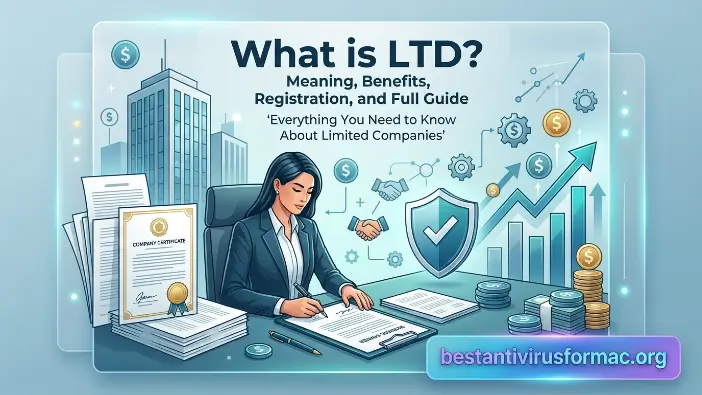
Welcome to bestantivirusformac. An LTD company is one of the most popular business structures used by entrepreneurs worldwide. It stands for Limited Company, where the business is treated as a separate legal entity from its owners. This structure is designed to protect personal assets while allowing individuals to run and grow a professional business. In simple terms, LTD helps separate personal finances from business responsibilities, which reduces financial risk for owners.
Understanding the concept of an LTD company is important for anyone planning to start a business or expand an existing one. It is widely used in modern business structure systems because it offers both security and credibility. With limited liability, owners are only responsible for the amount they invest in the company, making it a safer option compared to many other business types.
What is LTD?
An LTD company is a business structure where the company is treated as a separate legal entity from its owners. It is commonly called a Limited Company and is widely used in modern business structure systems because it offers protection, credibility, and organized financial management. The main purpose of LTD is to separate personal responsibility from business activities so owners can operate with reduced financial risk while growing their business in a structured way.
Simple definition of an LTD company
An LTD company is a registered business owned by shareholders who invest money in exchange for ownership shares. The company runs in its own legal name, which means it can own property, sign contracts, hire employees, and generate profits independently from its owners. This makes it a preferred choice for startups and growing businesses that want a professional and scalable setup.
An LTD company also helps maintain a clear separation between personal and business finances. This separation improves financial control, builds trust with clients and investors, and gives the business a more stable and professional identity compared to informal setups.
What “Limited Liability” means in business
Limited liability means that owners of a LTD company are only responsible for the amount they have invested in the business. If the company suffers losses or financial issues, their personal assets, like houses, savings, or personal belongings, are generally protected. This structure reduces personal financial risk and makes business ownership safer.
This protection is one of the strong advantages of an LTD structure. It creates a legal separation between the owner and the business, allowing entrepreneurs to take calculated risks without worrying about losing personal wealth. This is why many investors and business owners prefer this model.
How LTD differs from general business types
An LTD company is different from other business types because it has a separate legal identity. This means the business itself is responsible for debts, contracts, and legal obligations, not the individual owners. This separation makes the structure more secure and suitable for long-term business growth.
In contrast, traditional setups like sole proprietorships do not offer this protection. In those cases, the owner is personally responsible for all business risks and debts. However, in an LTD company, this responsibility is limited, which makes it a safer and more attractive option for entrepreneurs aiming to scale their business.
Read Also: secure
Types of LTD Companies
The main types of LTD companies are private and public structures, and both are designed for different business goals. These company structures help business owners decide how they want to operate, whether they prefer full control with limited investors or large-scale growth with public funding. Choosing the right type of LTD is important because it affects ownership, funding options, and long-term business strategy.
Private Limited Company (Ltd)
A Private Limited Company is a widely used form of LTD company, especially among small and medium-sized businesses. In this structure, the company is owned privately by a small group of shareholders, such as founders, family members, or close investors. The shares of the company are not available to the public, which means ownership stays within a limited circle.
This type of company is popular because it offers more control and stability to the owners. Decisions are made internally without outside interference from public investors. It also provides strong limited liability protection, meaning owners’ personal assets are generally safe from business debts. This makes it a preferred choice for startups and growing businesses that want steady growth.
Public Limited Company (PLC)
A Public Limited Company is a larger and more advanced form of LTD structure, where the company can sell its shares to the general public through stock exchanges. This allows the business to raise significant capital from a wide range of investors, which helps in rapid expansion and large-scale operations.
However, this structure comes with strict regulations and higher transparency requirements. The company must publish financial reports and follow government rules to protect public investors. Because ownership is spread across many shareholders, decision-making is more complex, but it provides strong opportunities for growth and international expansion.
Key differences between Private and Public LTD
- Ownership: Private LTD is owned by a small group of shareholders, while Public LTD is owned by the general public through traded shares.
- Funding: Private LTD relies on private investment, whereas Public LTD raises funds from private markets and public investors.
- Control: Private LTD has more direct control by founders, while Public LTD involves shared control among many shareholders and boards.
- Regulations: Public LTD companies face stricter legal rules and reporting requirements compared to private companies.
Both types of LTD companies are important in the business world. Private LTD is better for stability and control, while Public LTD is designed for large-scale growth and global expansion opportunities.
How an LTD Company Works
An LTD company operates through a well-organized structure where ownership, management, and legal responsibility are clearly separated. This system is designed to keep business operations smooth while reducing personal financial risk for owners. In a limited company system, the business itself acts as an independent entity, meaning it can make decisions, earn profits, and take responsibilities in its own name instead of the individuals behind it.
Ownership and the shareholders system
In an LTD company, ownership is divided among shareholders who invest money into the business in exchange for shares. Each shareholder owns a specific percentage of the company depending on their investment, and this percentage decides how much profit they receive. This system allows multiple individuals or investors to collectively fund and support the business, making it easier to raise capital for growth.
Shareholders mainly determine the bigger picture of the business rather than daily operations. They take part in important decisions such as approving major investments, business expansion plans, or appointing directors. However, they usually do not manage day-to-day activities, which helps keep operations more structured and professional.
Role of directors in management
Directors are the people responsible for running the daily operations of an LTD company. They handle key tasks such as managing employees, supervising finances, making operational decisions, and ensuring the company follows all legal and regulatory requirements. In simple terms, directors act as the leaders who turn business plans into real actions.
They are appointed by shareholders and are expected to work in the best interest of the company. Directors focus on improving performance, increasing profits, and maintaining long-term stability. This separation between shareholders and directors creates a balanced system where investment and management responsibilities are clearly divided.
Legal identity separation concept
One of the most important features of an LTD company is its separate legal identity. This means the company is treated as its own “person” in the eyes of the law. It can own assets, sign contracts, borrow money, and even face legal action independently of its owners.
This separation provides strong protection to shareholders and directors. If the company suffers losses or debts, its personal assets, such as savings, homes, or personal property, are generally not at risk. This concept of limited liability is one of the main reasons why the LTD structure is widely preferred by business owners around the world.
Benefits of Starting an LTD Company
Starting an LTD company provides multiple advantages that make it a strong choice for entrepreneurs who want to build a stable and professional business. It offers financial protection, a better reputation in the market, and more opportunities for growth and investment. Because of its limited company structure, owners can focus on expanding their business while reducing personal financial risks and improving long-term sustainability.
Limited liability protection
One of the most important benefits of an LTD company is limited liability protection. This means the company is treated as a separate legal entity from its owners, so any debts or financial losses belong to the business itself, not the individuals behind it. Shareholders are only responsible for the amount they have invested in the company.
This protection is very important because it keeps personal assets safe. Even if the business faces serious financial problems or bankruptcy, the owners do not lose their personal savings, property, or other belongings. This creates a strong safety layer and makes business ownership less risky.
Better business credibility
An LTD company has much higher credibility compared to informal business setups. Customers, suppliers, and investors trust registered companies more because they follow legal rules and operate in a structured way. This makes the business look more professional and reliable in the market.
This trust helps the business grow faster because people feel more confident working with it. A strong reputation also leads to better business deals, long-term partnerships, and more customer loyalty, which are important for success in competitive industries.
Tax advantages and savings
An LTD company can provide better tax efficiency depending on the country’s tax system. In many cases, companies are taxed under corporate tax rates, which may be more favorable than personal income tax rates. This helps businesses manage profits in a more organized and strategic way.
In addition, companies can reduce taxable income by claiming legitimate business expenses such as salaries, rent, equipment, and daily operational costs. These deductions help improve cash flow and allow the business to save more money for future growth and expansion.
Easier funding and investment options
An LTD company makes it easier to attract investors because ownership is divided into shares. This means businesses can offer a percentage of ownership in exchange for investment, which helps raise capital for growth and expansion.
Financial institutions also prefer lending to LTD companies because they are more structured and stable. This increases the chances of getting loans and external funding, which is very important for scaling operations, launching new projects, and entering larger markets.
Disadvantages of an LTD Company
An LTD company offers many benefits, but it also comes with certain drawbacks that business owners should understand before choosing this structure. These disadvantages are mainly related to legal obligations, financial reporting, and ongoing costs. While it provides limited liability protection and credibility, it also requires more responsibility and formal processes compared to simpler business types like sole proprietorships.
Legal compliance requirements
An LTD company must follow strict legal rules and regulations set by government authorities. This includes regular filings, maintaining proper records, and ensuring the business operates within legal boundaries. These requirements are designed to keep the company transparent and accountable.
Because of these rules, business owners must stay updated with legal changes and deadlines. Failure to comply can result in penalties or legal issues, which can create additional stress and responsibility for the company directors.
Accounting and reporting responsibilities
An LTD company is required to maintain detailed financial records and prepare accurate reports. These include profit and loss statements, balance sheets, and annual financial reports that must be submitted to regulatory bodies. This level of reporting ensures transparency in business operations.
However, managing these accounts can be time-consuming and often requires professional accountants or financial experts. This adds extra responsibility for business owners and increases the complexity of managing daily operations.
Higher setup and maintenance costs
Setting up an LTD company usually costs more than simpler business structures. There are registration fees, legal documentation costs, and sometimes professional service charges involved in the formation process. This makes the initial setup more expensive for new entrepreneurs.
In addition, maintaining an LTD company also involves ongoing expenses such as accounting services, compliance fees, and administrative costs. These regular expenses can increase the overall financial burden, especially for small businesses or startups with limited budgets.
How to Register an LTD Company (Step-by-Step)
Registering an LTD company is a legal process that turns a normal business idea into an officially recognized company. It gives the business a separate legal identity, which means it can operate in its own name, sign contracts, and follow formal business rules. This process is important because it also provides limited liability protection, helping protect the personal assets of the owners while building a strong and trustworthy business structure.
Choosing a unique company name
The first step in registering an LTD company is selecting a unique and professional name. This name becomes the identity of your business, so it should clearly represent your brand and be easy for customers to remember. Before finalizing, it is important to check that the name is not already taken or registered by another company.
A strong company name also helps in marketing and branding. It creates the first impression of your business in the market and helps attract customers. A unique name also builds recognition over time, making it easier for your business to stand out from competitors.
Preparing required documents
After selecting a company name, the next important step for an LTD company is preparing all the required legal documents. These documents include detailed information about the business, such as directors’ identities, shareholders’ details, registered office address, and the overall structure of the company. These records clearly define how the business will operate, who owns it, and how responsibilities will be managed.
This step is critical because it forms the legal foundation of the company. If the documents are not accurate or complete, the registration process can be delayed or even rejected. That is why many business owners take extra care at this stage and often seek professional help to ensure everything is correctly prepared according to legal standards.
Official registration process
Once all documents are properly prepared, they are submitted to the official government authority responsible for registering companies. This can usually be done online or through physical submission,n depending on the country’s system. The authority carefully reviews every detail to confirm that the business meets all legal requirements and regulations.
If the application is approved, the business is officially registered as an LTD company. At this stage, the company becomes a legal entity, meaning it can operate in its own name, enter into contracts, hire employees, and conduct business activities legally. This approval is what formally gives the business its official identity.
Certificate of Incorporation
After successful approval, the company receives a certificate of incorporation. This is an official legal document that confirms the LTD company has been legally registered and recognized by the government. It includes key details such as the company name, registration number, formation date, and legal status.
This certificate is extremely important because it acts as proof of existence for the business. It is required for essential activities like opening a business bank account, applying for licenses, and signing contracts with clients or suppliers. Without this document, the company cannot fully operate as a legally recognized business.
Opening a business bank account
The final step in the process is opening a dedicated business bank account in the name of the LTD company. This step is important because it separates personal finances from business transactions, which helps maintain clear financial records and improves overall financial control.
A business bank account also makes it easier to manage income, expenses, and payments in a professional way. It increases transparency and is often required when dealing with customers, suppliers, or financial institutions. This separation of finances is essential for proper accounting and long-term business stability.
LTD vs Other Business Structures
An LTD company is a formal business structure that is often compared with sole proprietorships and partnerships because each one offers different levels of control, risk, and legal protection. The main difference is that an LTD is a separate legal entity, while other structures are directly linked to the owner or partners. This difference affects how profits, responsibilities, and liabilities are managed in real business situations, making the choice of structure very important for long-term success.
LTD vs Sole Proprietorship
An LTD company is legally separate from its owner, which means the business itself is responsible for debts and obligations. This provides limited liability protection, so the personal assets of the owner are generally safe even if the business fails. In contrast, a sole proprietorship has no legal separation between the business and the owner, so all risks and debts directly affect the individual.
A sole proprietorship is easier and cheaper to start, but it has limited growth potential and lower credibility in the market. An LTD company, on the other hand, offers better trust, stronger branding, and easier access to investment and loans. This makes LTD more suitable for businesses that want to expand and operate at a professional level.
LTD vs Partnership
A partnership is a business structure where two or more people share ownership, profits, and responsibilities. In many cases, partners may also be personally responsible for business debts, depending on the type of partnership agreement. This creates a higher level of personal financial risk compared to an LTD company.
In contrast, an LTD company separates ownership from personal liability, offering better legal protection. It also has a more organized management system with shareholders and directors, which improves decision-making and stability. While partnerships are easier to form and manage in the beginning, they often lack the strong legal structure and scalability that LTD companies provide.
Which structure is better for beginners?
For beginners, the best business structure depends on their goals, budget, and risk tolerance. If someone wants a simple and low-cost setup with minimal legal formalities, a sole proprietorship or partnership can be a good starting point for small-scale operations.
However, if the goal is long-term growth, professional credibility, and financial protection, an LTD company is usually the better option. It provides stronger legal security, better funding opportunities, and a more professional image, making it ideal for entrepreneurs who want to build a scalable and sustainable business.
Common Mistakes When Starting an LTD
Starting an LTD company can be highly beneficial, but many beginners make critical mistakes during the setup and early management stages. These mistakes usually happen due to a lack of experience, poor understanding of legal requirements, or weak financial planning. Although an LTD structure provides limited liability protection and better credibility, ignoring basic rules can still create legal, financial, and operational problems that affect long-term business stability.
Wrong documentation
One of the most common mistakes in an LTD company setup is submitting incorrect or incomplete documentation during the registration process. These documents include details like directors, shareholders, registered address, and company structure, and even small errors can delay approval or lead to rejection of the application.
This issue often happens when business owners rush the registration process without properly reviewing legal requirements. In some cases, people also lack proper guidance, which leads to confusion and mistakes in paperwork. Careful preparation and double-checking all information can help avoid delays and legal complications.
Ignoring legal rules
Another serious mistake is ignoring legal obligations after forming an LTD company. Many business owners fail to follow compliance requirements such as annual reports, tax filings, and maintaining proper financial records. These rules are important for keeping the company legally active and in good standing.
When legal responsibilities are ignored, the company can face penalties, fines, or even criminalization, which can also damage the business’s reputation and create long-term operational issues. Staying updated with regulations and meeting deadlines is essential for smooth and legal business operations.
Poor financial planning
Poor financial planning is another major mistake that affects many new LTD companies. Without proper budgeting, expense tracking, and financial forecasting, businesses can quickly face cash flow problems. This often leads to difficulty in managing daily operations and long-term growth.
Good financial planning is essential for business stability. Without it, even profitable companies can struggle to survive due to uncontrolled spending or a lack of future investment planning. Proper monitoring of income and expenses helps ensure steady growth and financial security.
Frequently Asked Questions
What is the main purpose of forming an LTD company?
The main purpose of an LTD company is to create a separate legal identity for a business, allowing owners to operate professionally while reducing personal financial risk.
Can a small business benefit from an LTD structure?
Yes, small businesses can benefit from an LTD structure because it improves credibility, supports growth, and offers better protection compared to informal business setups.
Is it mandatory to hire a director in an LTD company?
Yes, an LTD company must have at least one appointed director who is responsible for managing operations and ensuring legal compliance.
How does an LTD company help in business growth?
An LTD company helps in growth by attracting investors, improving trust in the market, and providing structured financial and legal systems for expansion.
What happens if an LTD company does not follow legal rules?
If legal rules are not followed, the company may face penalties, fines, or even risk being removed from official registration records.
Conclusion
An LTD company is a strong and reliable business structure for people who want to build a professional and secure business. It offers limited liability, which means personal assets are generally safe from business risks. This makes it a popular choice for entrepreneurs who want to reduce financial risk while focusing on long-term growth and stability.
At the same time, an LTD structure also brings responsibility. It requires proper legal compliance, financial management, and regular reporting. If managed well, it can provide credibility, funding opportunities, and business expansion. Overall, it is a suitable option for those who want to run a serious and scalable business.